Insurance quotes for Key Haven homes can feel like a wave you did not see coming. If you are eyeing a place on the canal or a quiet street off the Overseas Highway, you know wind is part of life here. The good news is many homes qualify for wind mitigation credits that can lower the wind portion of your homeowners insurance. In this guide, you will learn what counts, how to get the credits applied, and what to watch for in Key Haven so you can budget with confidence. Let’s dive in.
What wind mitigation credits mean
Wind mitigation is the set of home features that reduce wind damage in hurricanes and strong storms. In Florida, insurers often give premium credits when an inspection documents these features. Credits apply to the wind or hurricane part of your homeowners policy, not to flood insurance. Flood coverage is separate and priced by flood risk and elevation.
Florida’s Department of Financial Services, the Office of Insurance Regulation, and insurers use a standard wind mitigation inspection form. Insurers review that form to determine discounts for your specific home.
Features that earn credits
Inspectors look for a set list of features. The more you have, the better your chance of meaningful savings.
- Opening protection: Impact-rated windows and doors or properly rated hurricane shutters. This is often one of the largest single credits because protected openings reduce damage and water intrusion.
- Roof-to-wall connections: Metal connectors, straps, or clips that tie the roof to the walls. Strong connections help keep the roof attached during high winds.
- Roof deck attachment: How the roof sheathing is fastened (nails vs staples), the nail size, and spacing. Better attachment improves performance.
- Roof covering and age: Newer roofs installed to modern code and properly attached coverings like metal or high-wind shingles can help.
- Secondary water barrier: A sealed underlayment that limits leaks if shingles lift. Often credited when present and documented.
- Roof shape: Hip roofs generally perform better in wind than gables and may earn more credit.
- Gable end bracing and continuous load path: Evidence of bracing and a structural path from roof to foundation can support stronger ratings.
What inspectors document
Inspectors use Florida’s standard form to record photos, permit dates, and construction details. Some credits require proof such as a building permit, manufacturer label, or contractor affidavit. Others can be verified by visual inspection and measurements.
How inspections and credits work
Licensed home inspectors and licensed contractors commonly perform wind mitigation inspections. You should schedule the inspection during your due diligence period so insurers can price your policy with the credits. Typical costs range from about 75 to 300 dollars depending on the provider and scope.
Insurers apply credits after they review your inspection. Some carriers adjust the premium right away, while others apply changes at issuance or renewal. If the seller has a recent inspection, you can often use it, but your insurer may ask for a current report in your name or one within a certain timeframe.
Documentation matters. High-value credits, such as a roof installed to code or certified roof-to-wall connectors, may require permits or contractor statements. If upgrades were done without permits, an inspector can document what is visible, but some insurers may give reduced credit or ask for additional proof.
Key Haven considerations
Key Haven sits in a wind-exposed coastal area in the Lower Keys. Homes here face elevated hurricane wind risk, so mitigation features can have a real impact on insurance pricing and availability with private carriers.
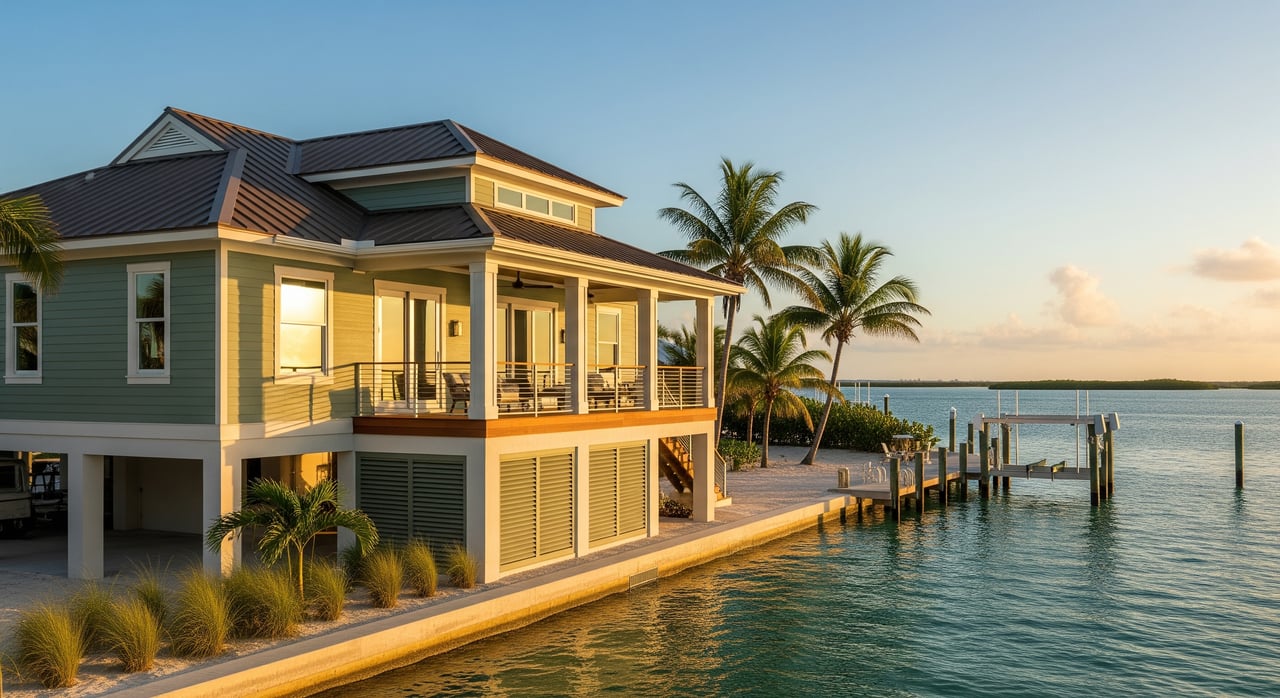
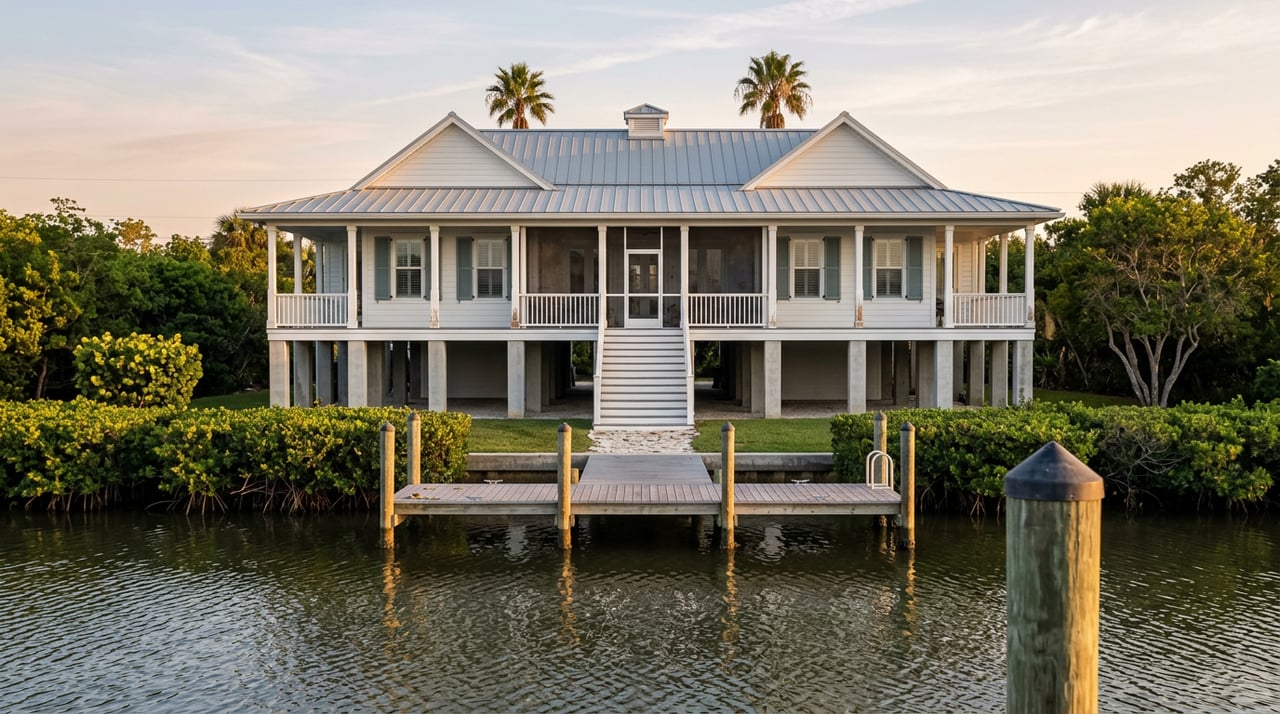
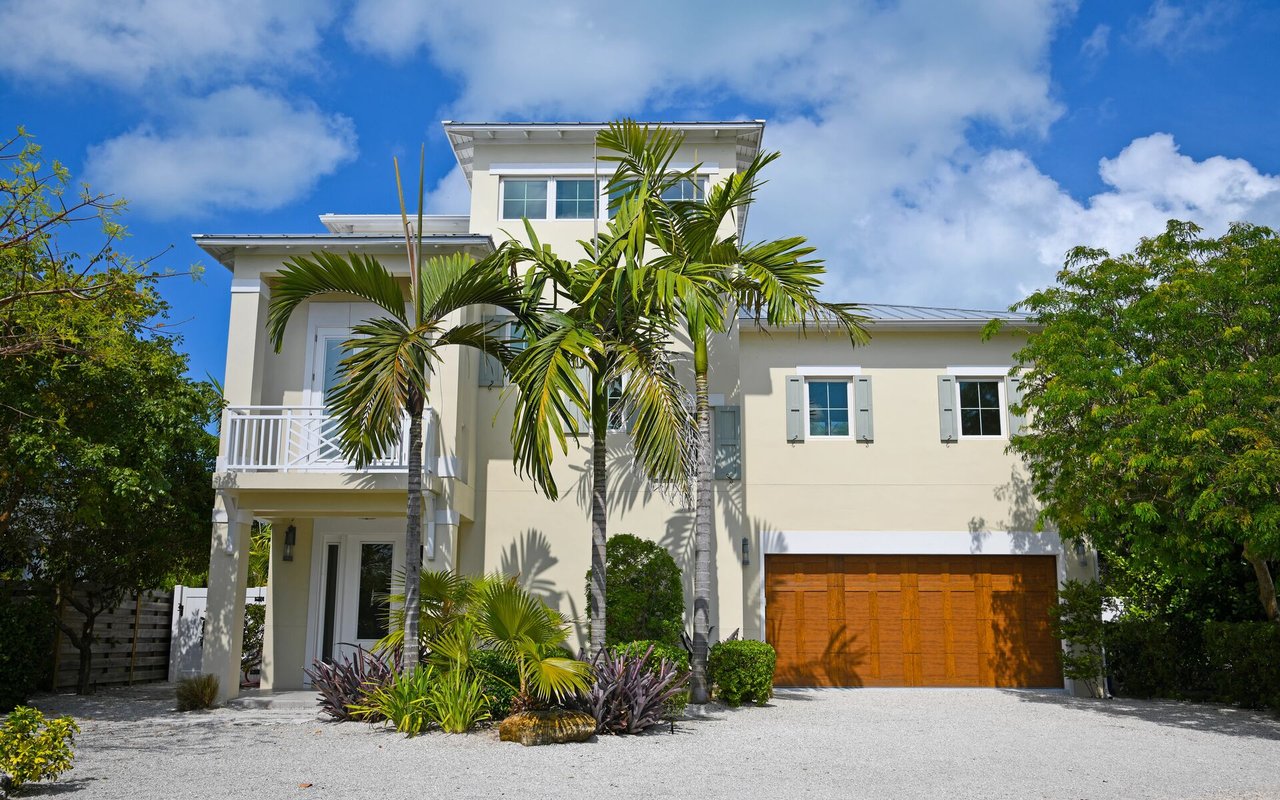
- Roof styles and materials: Many local homes have metal roofs. When properly installed and attached to current standards, metal can perform very well in high winds and may earn favorable credits.
- Elevated construction: Many homes are raised on pilings for flood reasons. Elevation helps with water but is not a wind credit. The way the elevated structure is tied together can still matter for overall wind performance.
- Older “Conch-style” homes: Some older homes may lack impact windows or strong roof-to-wall connections unless retrofitted. Shutters are common, but to receive full opening-protection credit, shutters must be rated and functional.
- Permits and code cycles: Insurers often recognize roofs or builds permitted under newer Florida Building Code dates, such as 2002, 2004, 2007, 2010, 2014, 2017, and 2020. Request permit histories from Monroe County or the City of Key West to document past work.
- Insurance market reality: Many Monroe County owners use Citizens Property Insurance or face higher premiums from private carriers. Mitigation credits can reduce costs or help you qualify for private market options.
Smart steps during due diligence
- Order a wind mitigation inspection early and confirm the inspector is acceptable to your intended insurer.
- Pull permit records from Monroe County or the City of Key West to verify roof replacements and structural work.
- Ask the seller for documentation such as invoices, manufacturer labels, or shutter certifications.
- Get quotes from multiple insurers that include your mitigation results. Compare private carriers and Citizens.
- If high-value features are missing, price out upgrades like impact windows, added straps, or a secondary water barrier. Ask about permits and contractor timelines.
- Keep the inspection report and proof of permits handy and provide them to your insurer at application.
Will upgrades pay off?
Savings vary by insurer and by the features your home has. Combined credits can range from modest savings to significant reductions, often cited around 10 to 40 percent for homes with multiple strong features. Exact savings require insurer quotes that use your inspection data.
If your target home lacks key items like impact-rated openings or strong roof connections, consider the cost to retrofit versus the expected premium reduction. Some upgrades can also improve storm resilience and long-term maintenance. Always check permit requirements and ask contractors for documentation you can share with your insurer.
Buyer negotiation tips
Use the wind mitigation report to inform your offer and timelines. You can ask the seller to make specific repairs, provide missing documentation, or offer a credit at closing so you can complete upgrades after purchase. If a new roof is needed soon, confirm the installation will meet current code and ask for the final permit and contractor affidavit when complete.
Common misconceptions
- “Wind credits lower my flood premium.” Wind credits do not affect flood insurance. Flood policies are priced by flood risk and elevation.
- “A 4-Point inspection is the same thing.” A 4-Point looks at the roof, electrical, plumbing, and HVAC systems. The wind mitigation inspection is separate and used to calculate wind credits.
- “Any new roof gets full credit.” Roof age helps, but insurers also look at deck attachment, covering type, and roof-to-wall connections. Permits and installer documentation strengthen your credit.
Work with a local advisor
In Key Haven, small construction details can have a big impact on your insurance options. A local, concierge approach helps you line up inspections, gather permits, and compare quotes before you finalize your contract. If you want a clear plan for credits and closing, reach out to Sherri Blasingame for thoughtful guidance and streamlined coordination.
FAQs
How do wind mitigation credits work in Florida?
- Insurers apply discounts to the wind portion of your homeowners policy when a standard wind mitigation inspection documents qualifying features like impact openings and strong roof connections.
What counts most for Key Haven homes?
- Opening protection, roof-to-wall connections, roof deck attachment, roof shape, and a properly permitted, modern-code roof are often the biggest drivers of credits.
How much can I save with credits?
- Savings vary by insurer and features; combined credits often fall in a broad 10 to 40 percent range, but exact amounts require insurer quotes based on your inspection.
Who can perform a wind mitigation inspection?
- Licensed home inspectors and licensed contractors commonly perform these inspections; confirm acceptability with your intended insurer before scheduling.
When should I order the inspection as a buyer?
- Order it during due diligence so you can share the results with insurers and lock in credits when your policy is issued.
Do wind credits affect flood insurance for Key Haven?
- No. Flood insurance is priced separately based on flood risk and elevation; wind mitigation applies only to wind coverage on the homeowners policy.
Is a 4-Point inspection enough to get credits?
- No. A 4-Point is different; you need a Florida wind mitigation inspection to qualify for wind-related discounts.
Do I need permits to receive certain credits?
- Some high-value credits, such as a roof installed to current code or specific connectors, may require permits or contractor documentation to receive full credit.