Thinking about trading Texas highways for sunrise bike rides and salty breezes in Key West? A cross-Gulf move is exciting, but the island’s thin inventory, historic rules, and storm season can feel like a different playbook than Dallas or Houston. You want a simple, proven path that protects your time and money. This guide gives you a clear, step-by-step roadmap tailored to Texas buyers relocating to Key West, including timelines, inspections, insurance, and moving logistics. Let’s dive in.
What makes Key West different
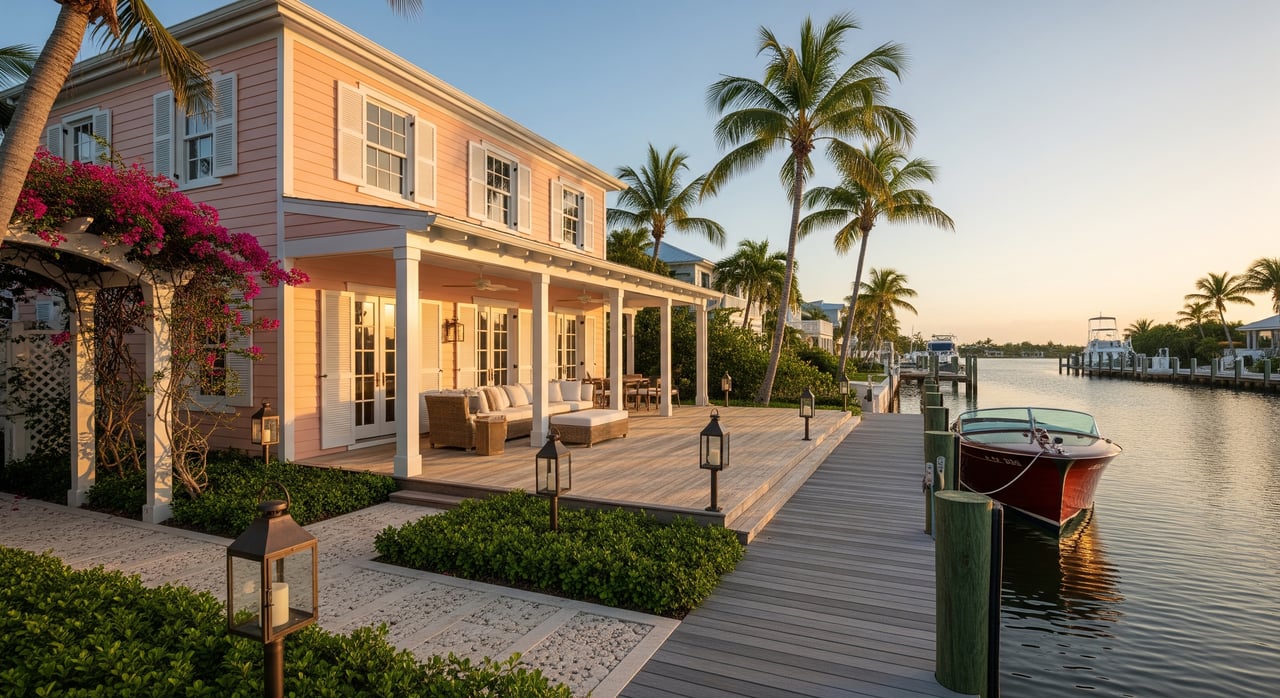
Key West is a compact island with limited land and many historic homes. That means fewer listings at any given time and higher per-square-foot prices than most mainland markets. Cash offers are common, and properties can move fast, especially in peak season.
You will also navigate more local rules. Much of Old Town sits inside a historic district where exterior changes require city review. Building codes place a strong focus on wind and hurricane standards, and flood zones drive insurance and financing requirements. Seasonality matters too. Hurricane season runs June 1 through November 30, which can affect inspections, contractor availability, and closing timelines.
Your 90-day relocation roadmap
Pre-search planning (90+ days)
- Clarify residency goals and timing. Florida has no state income tax. If you plan to make Florida your primary residence, review Monroe County’s homestead exemption deadlines and documentation requirements.
- Line up financing early. Work with lenders experienced in the Florida Keys who understand flood-zone underwriting, condo association reviews, and island-market appraisals. Strong pre-approval helps you compete with cash.
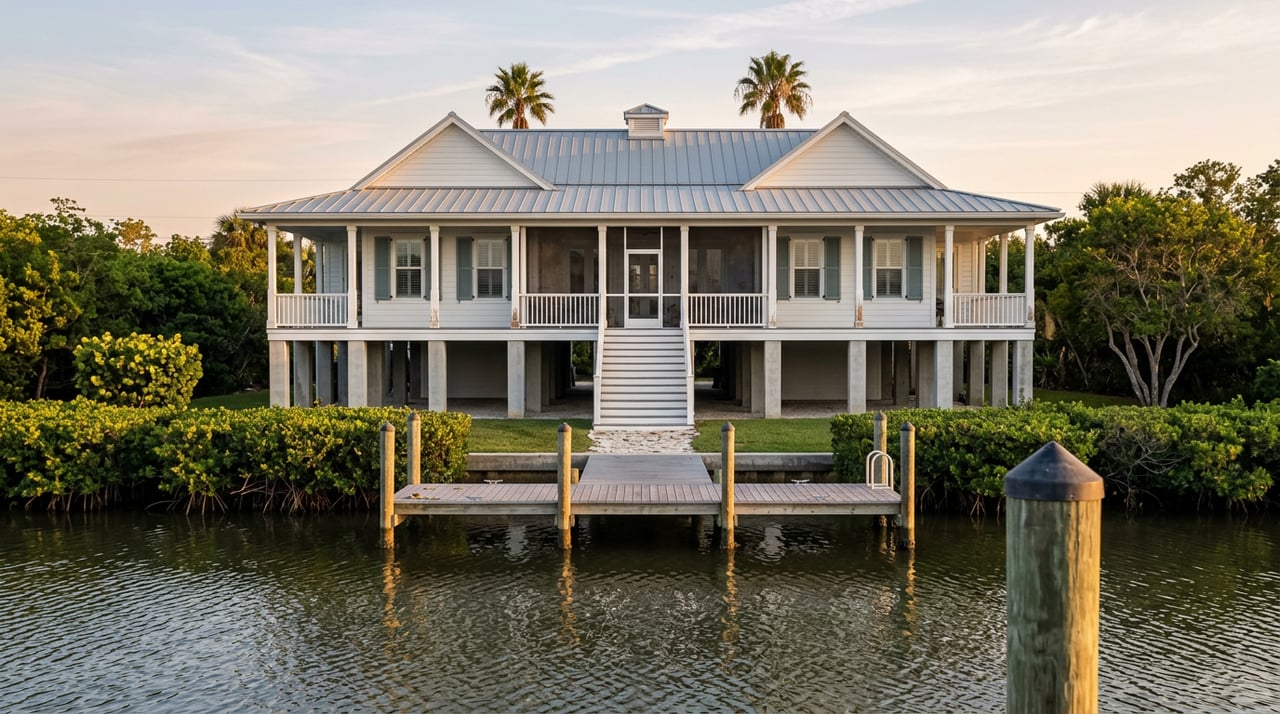
- Define must-haves. Consider flood elevation, whether the property is in the historic district, condo or single-family, proximity to Key West International Airport, and whether the home is on municipal sewer or uses septic.
- Build your team. Choose a local agent, a title company, and inspectors familiar with tropical construction, moisture, and wind mitigation. If you expect to renovate, identify licensed local contractors now.
Active search and tours (60–30 days)
- Tour remotely with purpose. Ask for live video walkthroughs, high-res video, and 3D tours. Request recent surveys, elevation certificates, roof and HVAC ages, and photos of the roof, crawlspaces, and exterior piers.
- Address flood exposure. If needed, ask for neighborhood walk videos during different tides. Elevation details will inform insurance and financing.
- Write competitive offers. Expect competition from local buyers, seasonal residents, and investors. Consider stronger earnest money and smart contingencies, including inspection, appraisal, financing, and association document review when applicable.
- Confirm escrow details. Florida contracts typically name a title company or broker as the escrow agent. Know where funds go and when they are due.
Due diligence and inspections (30–14 days)
- Schedule local specialists. Prioritize a general home inspection, wind mitigation report, roof evaluation, WDO/termite inspection, HVAC, electrical, plumbing, and sewer or septic review. Add mold or structural assessments as needed.
- Verify flood risk. Confirm the FEMA flood zone and whether a current elevation certificate exists. Many buyers order a new certificate to estimate flood insurance more accurately.
- For condos, review the package. Examine bylaws, budgets and reserves, insurance declarations, meeting minutes, and litigation history. Lenders may be strict about reserves and investor concentration.
- Stay involved remotely. If you cannot attend inspections, ask for recorded video walkthroughs, narrated findings, and same-day photo documentation.
Closing logistics (14–0 days)
- Title and closing. Florida closings commonly run through local title companies or attorneys. Remote and mail-away closings are widely available, so confirm notarization steps, ID requirements, and secure wire instructions early.
- Understand closing costs. Expect title insurance, title search and escrow fees, recording charges, documentary stamp taxes, and prepaid items like insurance and property tax prorations.
- Insurance binders before closing. Coastal policies often separate wind coverage, and homes in Special Flood Hazard Areas typically require flood insurance. A wind mitigation inspection can reduce premiums, so complete that early.
- Watch the weather. If a named storm approaches during hurricane season, build in contract language that allows timeline adjustments for safety and logistics.
Move and post-move (0–30 days)
- Plan the route. Many buyers drive the Overseas Highway with movers, while oversized items may travel by barge or freight. Build in buffer days for weather or bridge restrictions.
- Time your arrival. Off-season can offer more flexible contractor schedules, but it overlaps with storm season. If you must move in peak tourist months, lock in services well ahead.
- Set up utilities and registrations. Some services may require in-person verification. If you will claim Florida residency, handle driver’s license, vehicle registration, voter registration, and homestead filing soon after arrival.
Insurance, lending, and condo nuances
- Insurance. Coastal homeowner’s policies often feature separate windstorm deductibles, and flood is a separate policy. Private flood options may be available, but availability and pricing vary. Elevation, roof attachment details, and shutters can significantly influence premiums.
- Lending and appraisal. Appraisals in island markets hinge on local comps and unique features such as historic status, rental rules, and flood elevation. Lenders may require local appraisers or extra inspections.
- Condo underwriting. Associations with weak reserves, pending litigation, or high investor concentration can limit loan options. Review budgets, reserve studies, and insurance coverage early in your review period.
Historic and permitting essentials
If you buy in or near the historic district, exterior changes generally require city review before work begins. Plan extra time for approvals and permits. Structural, electrical, plumbing, and most exterior projects need permits and inspections. Coastal repairs, seawall work, and near-shore improvements may also trigger county or state environmental review. If resilience is a priority, explore upgrades like shutters, roof tie-downs, raised mechanicals, and floodproofing. Allow for longer contractor lead times than you are used to on the mainland.
Texas-to-Keys differences to expect
- Inventory. Fewer listings at any given time, more historic homes, and fewer turnkey options than typical Texas suburbs. Be ready to act fast or flex on features.
- Timelines. Contractors and permitting can take longer. Plan realistic renovation schedules and book crews early.
- Transportation. Key West is the terminus of US-1. Large trucks and oversized shipments sometimes need extra coordination, and weather can cause delays.
- Seasonality. November through April is peak tourist season with higher demand. Summer can be quieter for showings and contractors, but it overlaps with hurricane season.
Quick checklists
Pre-search checklist (90+ days)
- Choose a local Key West agent experienced in relocations.
- Get pre-approved with a lender who understands Keys underwriting.
- Review flood maps, historic district boundaries, and neighborhood fit.
- Set deal-breakers, such as minimum elevation or sewer connection.
- Prep documents for homestead and Florida IDs if establishing residency.
Offer and due diligence checklist (60–14 days)
- Request survey, elevation certificate, and ages of roof and HVAC.
- Book inspections: general, wind mitigation, WDO, roof, sewer or septic, moisture, and structural as needed.
- For condos: obtain association budget, reserves, insurance declarations, minutes, and any litigation disclosure.
- Confirm escrow agent, earnest money rules, and wiring steps.
- Line up insurance quotes for homeowner’s, wind, and flood.
Pre-closing and move checklist (14–0 days)
- Send funds using the title company’s approved method.
- Review the closing disclosure in detail.
- Provide insurance binders to your lender and title company.
- Confirm mover schedules, barge or freight as needed, and weather buffers.
- Transfer utilities and set activation dates.
Post-move essentials (0–30 days)
- Set up city services, parking permits if required, and trash schedules.
- Complete driver’s license and vehicle registration changes.
- File for homestead exemption if eligible.
- Handle immediate repairs and storm readiness, including shutters and tie-downs.
- Create your local service roster: plumber, electrician, HVAC, and roofer.
Ready to make the move?
Relocating from Texas to Key West is a lifestyle upgrade and a smart investment when you plan with the island’s realities in mind. With an organized timeline, the right inspections, and a local team that manages details from lending to closing, you can transition smoothly and confidently. If you want concierge-level guidance, discreet negotiation, and a structured relocation workflow tailored to Texas buyers, connect with Sherri Blasingame. Let’s make your Keys move seamless.
FAQs
Does flood insurance come with a standard homeowner’s policy in Key West?
- No. Flood is a separate policy, and lenders typically require it for homes in FEMA Special Flood Hazard Areas.
How long does a typical Key West closing take for a Texas buyer?
- About 30 to 60 days is common, but allow extra time for island-specific inspections, insurance binders, permit checks, and storm season contingencies.
What inspections are most important for Key West homes?
- Prioritize a general inspection with a local inspector, wind mitigation, roof evaluation, WDO/termite, HVAC, electrical, plumbing, and sewer or septic verification. Add moisture or structural reviews when appropriate.
Can I close on a Key West home remotely from Texas?
- Yes. Many Florida title companies offer remote and mail-away closings. Confirm notarization, ID requirements, and secure funds transfer procedures early.
Are there special rules if I buy in Key West’s historic district?
- Yes. Exterior changes commonly require city review and permits. Plan additional time for approvals, and work with contractors who know local codes and processes.