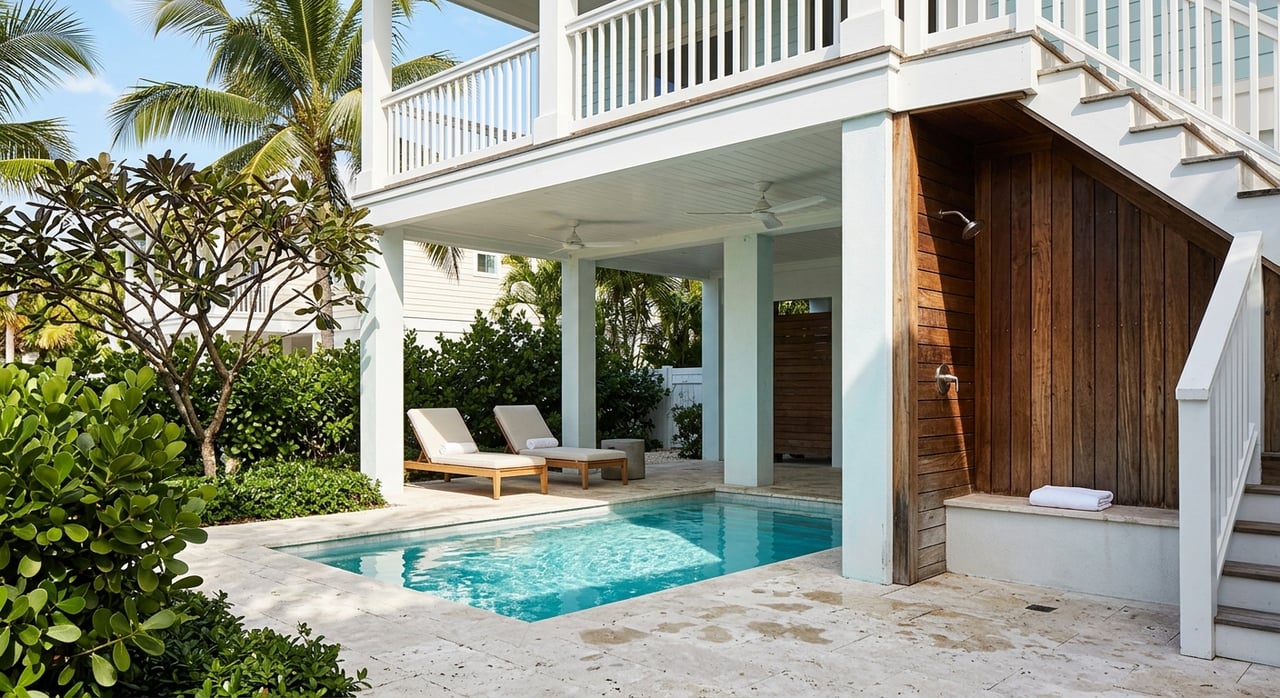
Cudjoe Key Rental Potential for Seasonal Buyers
March 26, 2026
March 26, 2026
Thinking about a Lower Keys home that can help cover carrying costs when you are not using it? Cudjoe Key’s waterfront lifestyle and winter appeal make seasonal renting an attractive option if you plan it right. In this guide, you will learn when demand peaks, who your likely guests are, what amenities matter, and the rules, taxes, and weather risks that shape returns in Monroe County. Let’s dive in.
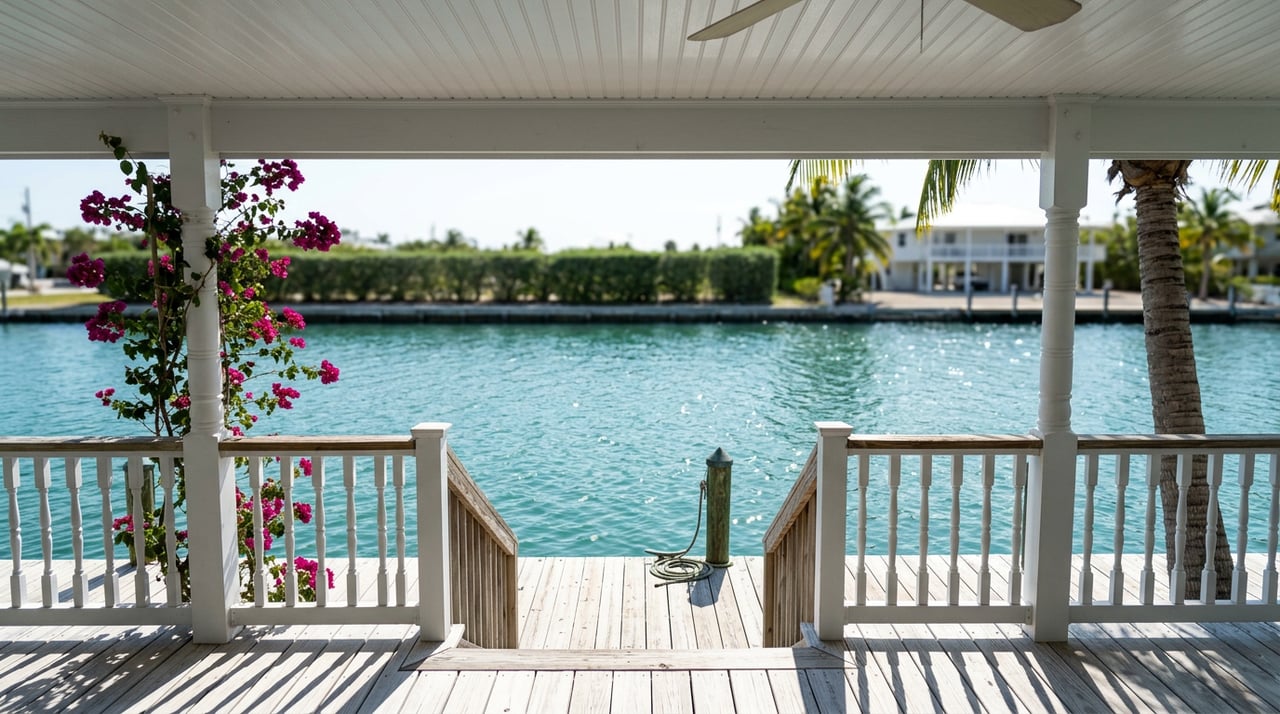
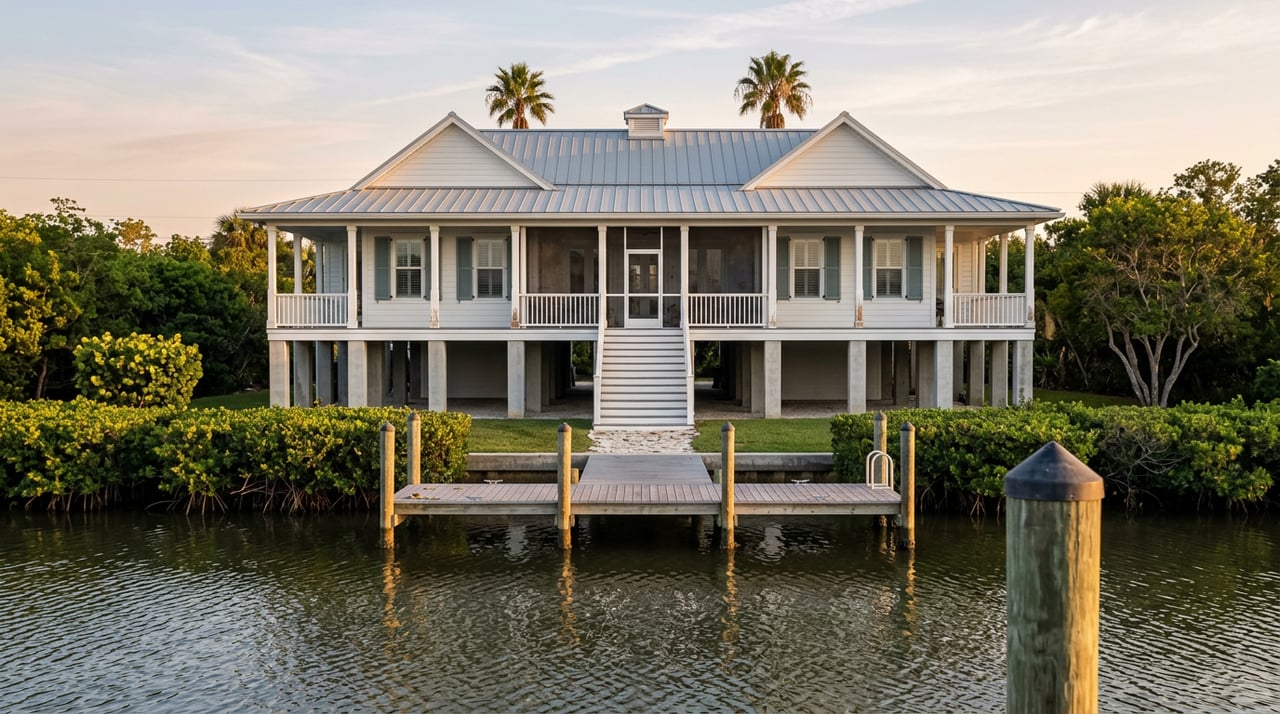
Cudjoe Key sits in the quiet stretch of the Lower Keys where boating, fishing, and diving are the main draw. Many visitors come specifically for easy water access, private dockage, and quick runs to the backcountry and reefs. Local charters and anglers highlight the area’s strong fishing scene, which supports steady interest in canal and waterfront homes throughout the winter season (Lower Keys charters and fishing overview).
Divers and snorkelers target the Lower Keys for clear water and vibrant reef habitats. Proximity to the Florida Keys National Marine Sanctuary, including access to Looe Key, raises the appeal of Cudjoe Key homes that offer convenient boat or marina options (about the Florida Keys National Marine Sanctuary). If your property highlights dock length, boat-size limits, and safe gear storage, you will meet the expectations of these experience-driven travelers.
Compared with Key West’s event-driven, urban energy, the Lower Keys lean toward a quieter, on-the-water lifestyle. County tourism data show Key West captures a larger share of overall visitation, while the Lower Keys attract boaters, divers, and families who prefer a waterfront base with day trips into town (Monroe County Visitor Profile Study). That mix supports both short leisure stays where allowed and longer winter rentals where minimums apply.
Monroe County’s tourism reporting shows a predictable pattern. Peak season runs roughly December through April, when the Keys are dry and mild. That window delivers the highest nightly rates and occupancy, while summer and fall are quieter and coincide with hurricane season.
This group pays for convenience and access. Private dockage, clear boat-size limits, fish-cleaning stations, and bait freezers are frequent must-haves in Cudjoe Key listings. If you have no-bridge or quick Gulf or Atlantic access, state it clearly and verify any depth or clearance details before marketing.
Easy access to Looe Key and the Sanctuary is a top selling point. Gear storage, an outdoor shower for rinse-offs, and space to dry equipment help generate strong reviews. Highlight nearby dive operators and typical boat run times without making claims you cannot verify.
Many Keys vacations run 3 to 7 nights, especially in winter. Guests often want reliable A/C, fast Wi-Fi, a well-equipped kitchen, and simple parking instructions. In areas with minimum stays, you will also see month-long snowbird renters who value screened porches, quiet canals, and comfortable outdoor living.
Local rules determine what you can advertise and how long guests may stay. These requirements are not one-size-fits-all, and they vary by parcel. Always verify the land-use district for a specific address before you buy or market a rental.
Unincorporated Monroe County requires a Special Vacation Rental Permit for most dwellings rented under 28 days and lists where short-term use is allowed or prohibited. The county also requires a licensed vacation-rental manager for permitted units, as well as fire and life-safety inspections with published fees (Monroe County Special Vacation Rental Program; Vacation Rental Inspections and fees). In many zones, a 28-day minimum applies, which shifts your strategy toward monthly winter bookings.
Florida classifies many vacation rentals as transient public lodging. If you rent a whole unit more than three times per year for periods under 30 days or you advertise for short-term stays, you will likely need a DBPR license. Review the state’s guide and license classes for dwellings and condos to confirm what applies to your property (Florida DBPR guide to vacation rental licensing).
Transient rental charges are subject to state sales tax and local bed taxes. The Florida Department of Revenue outlines the 6 percent state sales tax, plus local surtax and Monroe County Tourist Development Tax. Some platforms remit certain taxes, but you are responsible for proper registration and any remaining remittances (Florida DOR transient rental tax brochure).
Hurricane season runs from June 1 through November 30, with peak activity in late summer and early fall. That timing lines up with lower seasonal demand and can produce cancellations or evacuations. Budget for storm preparation, review your insurance with a Keys-savvy carrier or broker, and set clear guest policies for weather events. You can track seasonal norms through NOAA’s hurricane climatology resources (NOAA hurricane season overview).
Key West pulls a larger share of county visitation and tends to attract short-stay leisure and event travelers. Cudjoe Key competes on boating and waterfront lifestyle, with quieter neighborhoods and strong appeal to anglers, divers, and families. If you prefer a canal-front base and occasional day trips to Duval Street, Cudjoe is a strong fit (Visitor Profile Study context).
These Lower Keys neighbors share a similar appeal to boaters and outdoor travelers. Many homes highlight private dockage, canal depth, and quick access to flats or reefs. Your competitive edge often comes down to verified dock rights, water depth, and the quality of your outdoor living spaces.
Focus on the experiences your home enables and the details that influence bookings.
Do your diligence up front so your rental plan matches your parcel and budget.
Ready to explore Cudjoe Key homes with seasonal potential or fine-tune a plan for a property you already own? Get local, concierge-level guidance from Sherri Blasingame. Let’s connect.
Stay up to date on the latest real estate trends.


I am committed to guiding you every step of the way—whether you're buying a home, selling a property, or securing a mortgage. Whatever your needs, I've got you covered.
Sherri Blasingame
336 Duval St Key West, Florida 33040