If your perfect morning starts at the helm, coffee in hand and lines off by sunrise, you’re probably asking if Key Haven truly fits a serious boater’s lifestyle. You want quick access to both the Atlantic and Gulf, a dock that actually fits your boat, and local services that keep you running all season. This guide gives you a clear picture of boating access, infrastructure, permitting, and the property checks that matter most. Let’s dive in.
Key Haven boating access at a glance
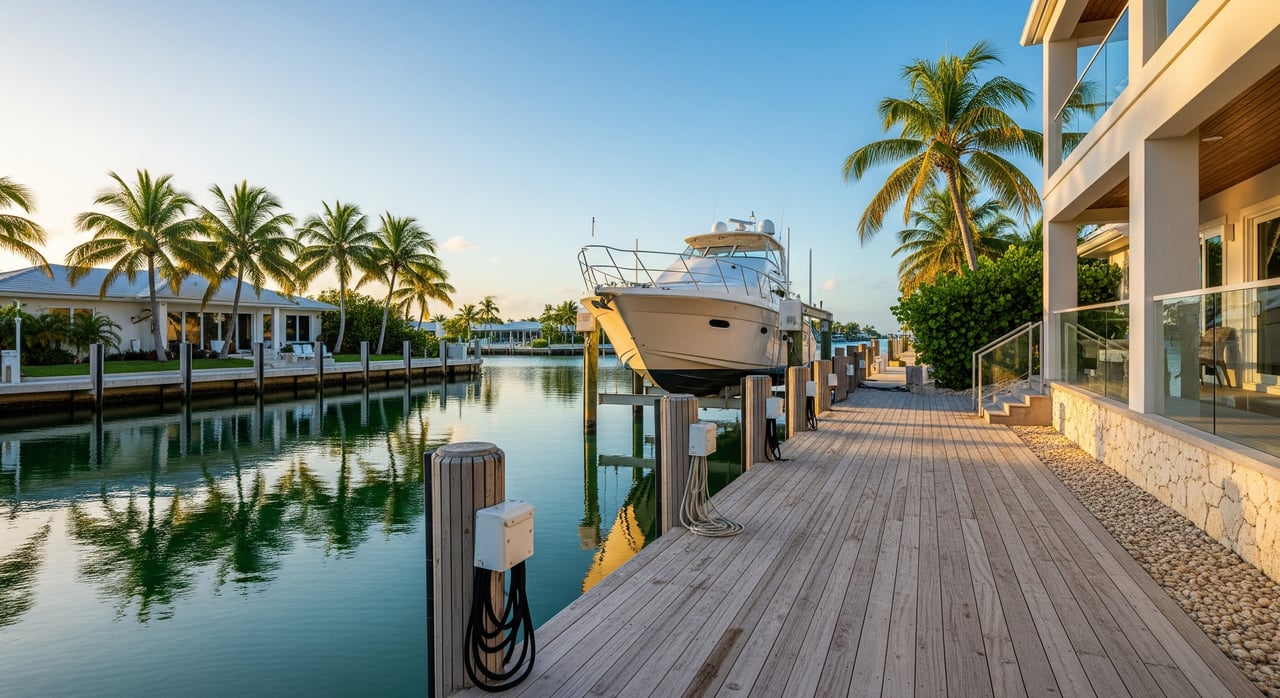
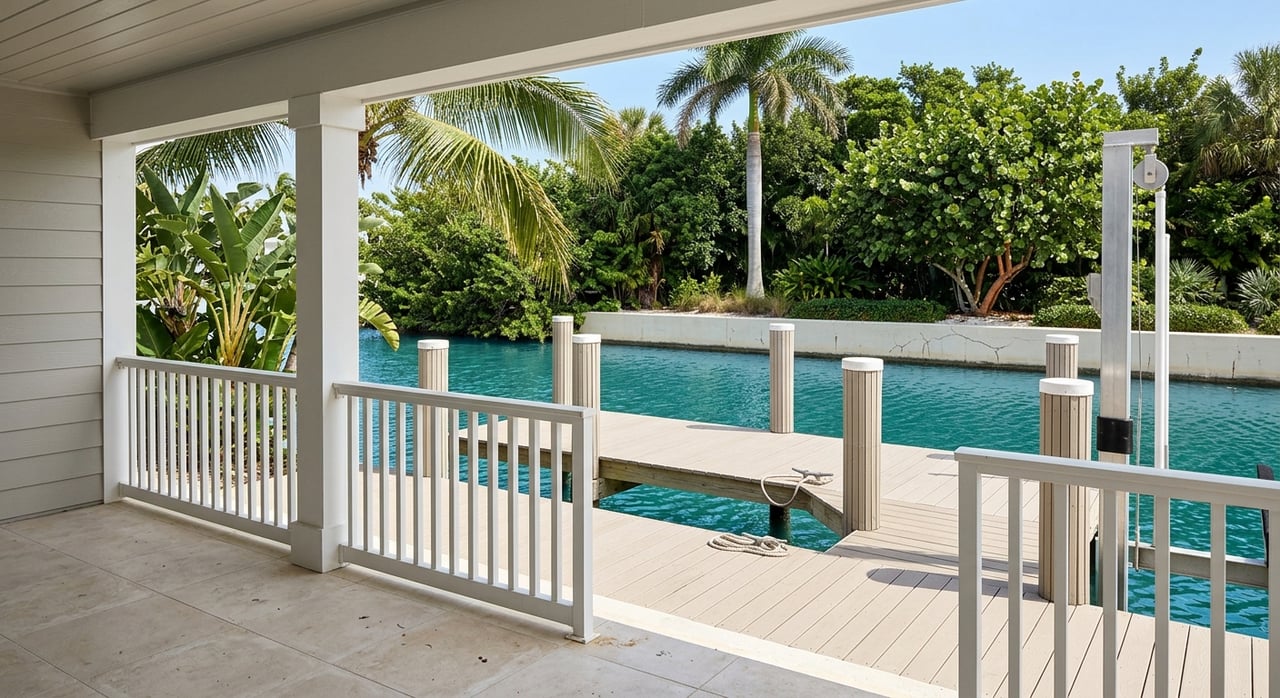
Key Haven is a canal-focused community just outside Key West, with many homes offering private docks. From these canals, you can reach both Gulf-side and Atlantic waters through nearby channels and passes. That puts reef and offshore fishing grounds, backcountry flats, and open-water cruising within easy range. Popular longer runs, such as the Dry Tortugas, are about 60 to 70 nautical miles west of Key West, so you should verify precise distances and conditions before planning.
Tides in the Keys are relatively low, but currents and chop can build in narrow channels, especially on windy days. Some canal mouths and local channels can shoal seasonally, and shallow flats and seagrass beds are present. Always confirm current conditions with nautical charts and local notices before assuming your draft will clear.
Infrastructure nearby: marinas, fuel, and service
Key Haven benefits from the broader Key West and Stock Island marine network. You will find full-service marinas, haul-out facilities, fuel docks, marine mechanics, fiberglass and gelcoat repair, and chandlers within a convenient distance. Public ramps and municipal marinas support trailered boats if you plan to launch occasionally.
Serious cruisers should confirm fuel types available, pump-out services and hours, and lead times for haul-outs during peak season or storm prep. If you plan liveaboard use or charter operations, review Monroe County and marina rules and verify that utilities and waste systems at your dock support your intended use.
Property-level checks for serious boaters
Site and dock specifics
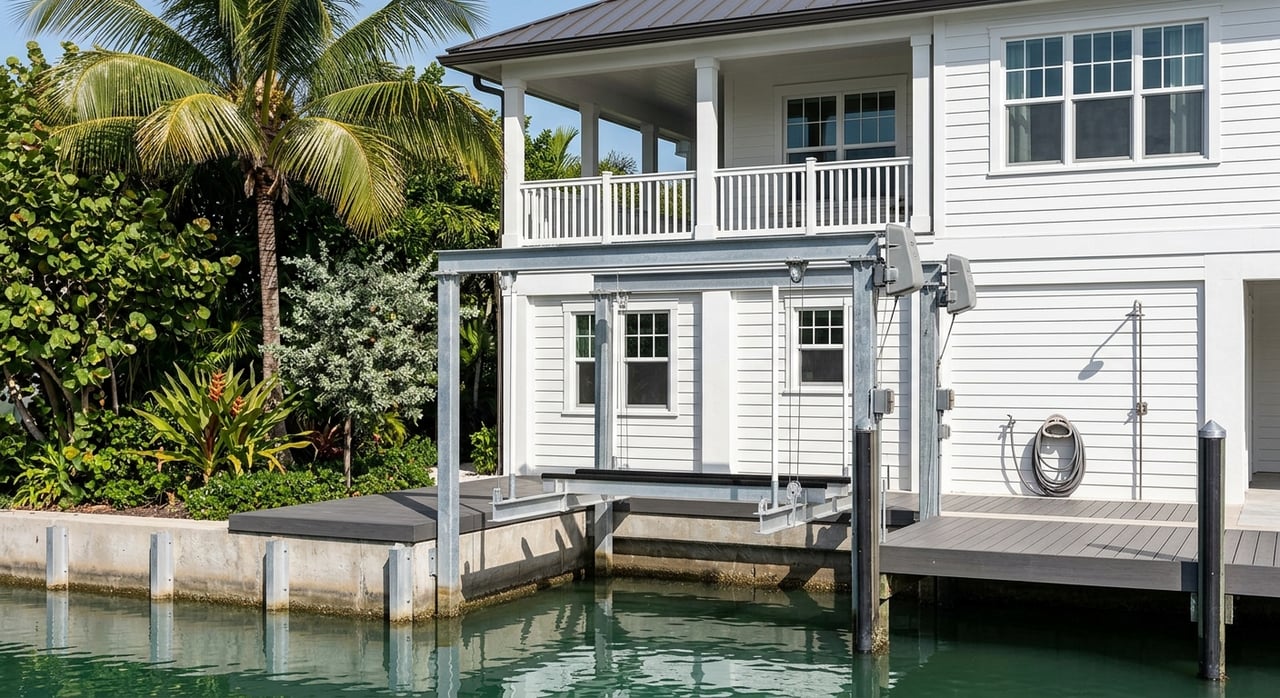
- Dock permit history: request copies of all dock, seawall, and boat-lift permits, and check for any violations.
- Dock layout: confirm total length, usable length at mean low water, and beam clearance between pilings to fit your boat.
- Water depth: obtain a recent depth reading at mean low water and ask about seasonal shoaling near the canal mouth.
- Boat lift and power: verify lift capacity, installation date, permits, and shore power specs that match your vessel.
- Seawall condition: evaluate material, age, tiebacks, and any signs of settling or needed repairs.
- Exposure and mooring: understand wind and wave exposure, turning basin space, and any breakwater protection.
- Access and easements: note any lateral access rights or utility easements that affect dock placement or expansion.
- HOA and local rules: confirm any covenants affecting dock size, guest overnighting, or boat power limits.
Insurance and finance
- Insurability: obtain quotes for flood, wind/hurricane, and liability coverage with a broker experienced in Monroe County coastal properties.
- Repair responsibility: clarify whether the owner or HOA is responsible for seawall or dock repairs after storms.
Operations and storm planning
- Maintenance: plan for routine dock, piling, and seawall inspections and periodic replacement.
- Storage and haul-out: confirm nearby haul-out capacity and timing, especially during hurricane season.
- Fuel and pump-out: identify the nearest full-service fuel dock and pump-out access and hours.
Who Key Haven suits best
Boaters who will love it
- Offshore and reef anglers who want quick runs to Atlantic and Gulf-side grounds.
- Day cruisers and sandbar seekers who value short, scenic routes and flexible options.
- Backcountry anglers who appreciate access to flats and shallow-water fisheries.
Boaters who should verify fit
- Deep-draft cruisers or large yachts that require more depth or wide turning basins.
- Liveaboard owners or those planning charter operations from a private dock, who need to confirm local regulations and utility setups.
Environmental and regulatory essentials
In Florida, submerged lands are state-managed, and dock work often requires county and state permits, with federal permits for dredge or fill work. Monroe County sets coastal and dock regulations, so gather all existing permits and authorizations with your offer. Mangroves are protected, and trimming or removal requires permits. Activities affecting seagrass or wetlands can trigger extra review and mitigation.
Expect clearly posted speed zones and manatee-protected areas, especially in canals and backcountry routes. Construction standards for docks and lifts may be influenced by hurricane-wind requirements. Always verify flood zones and base flood elevation, since insurance and design choices are tied to those metrics.
Pros and potential challenges
Pros
- Fast access to Atlantic and Gulf waters, plus renowned reef, offshore, and backcountry fisheries.
- Many waterfront lots with private docks for immediate on-water living.
- Robust regional marine services in the Key West and Stock Island area.
Potential challenges
- Variable canal depths and seasonal shoaling may limit deeper drafts.
- Permitting complexity for docks, lifts, seawalls, and environmental protections.
- Higher maintenance, hurricane exposure, and insurance costs typical of coastal waterfront.
- Possible limits on commercial use, liveaboard status, or dock expansion.
Your due-diligence checklist
- Order a professional dock and seawall inspection and a recent depth survey at mean low water.
- Collect all permits, recorded easements, and any code-violation history for docks and seawalls.
- Verify nearby marina services and haul-out capacity, including seasonal lead times.
- Review maintenance logs and recent repair invoices for dock and seawall.
- Obtain insurance quotes for the home and for boat storage or mooring.
- Check FEMA flood zone, base flood elevation, and local flood mitigation requirements.
- Review Monroe County and state environmental and dock construction rules if you plan upgrades.
- Confirm channel depth and turning space if you own a large or deep-draft boat.
- Speak with local boaters or a marina manager about shoaling trends, currents, and hurricane behavior.
- Get estimates from a licensed marine contractor for any desired dock or lift upgrades.
Bottom line
Key Haven can be an excellent fit for serious boaters who want direct water access, a private dock, and the support of nearby marinas. The key is matching the property to your vessel and use case, with careful attention to depth, permits, and insurance. With the right due diligence, you can enjoy the best of Keys boating from your own backyard.
Ready to evaluate a specific property or plan a waterfront strategy? Connect with Sherri Blasingame for concierge guidance, from permit records to vetted local marine pros.
FAQs
How is boating access from Key Haven to the Atlantic and Gulf?
- Most homes with docks reach both sides through nearby channels, offering short routes to reef, offshore, and backcountry waters.
What should I know about canal depths at Key Haven docks?
- Depths vary by canal and season; confirm a recent depth survey at mean low water and ask about shoaling at the canal mouth.
Are liveaboards or charters allowed from private docks in Key Haven?
- Rules vary; check Monroe County and any HOA or marina policies, and verify your dock’s electrical and waste capacity for intended use.
What permits are required to add a lift or extend a dock?
- Expect county and state permits, and possibly federal review for dredge or fill; request existing permits and consult local agencies before work.
How far are the Dry Tortugas from Key West for planning runs?
- Plan for roughly 60 to 70 nautical miles west of Key West and confirm conditions and fuel range before departure.
What insurance should I plan for with a Key Haven waterfront home?
- Budget for flood, wind/hurricane, and liability coverage, and confirm costs with a broker experienced in Monroe County coastal properties.