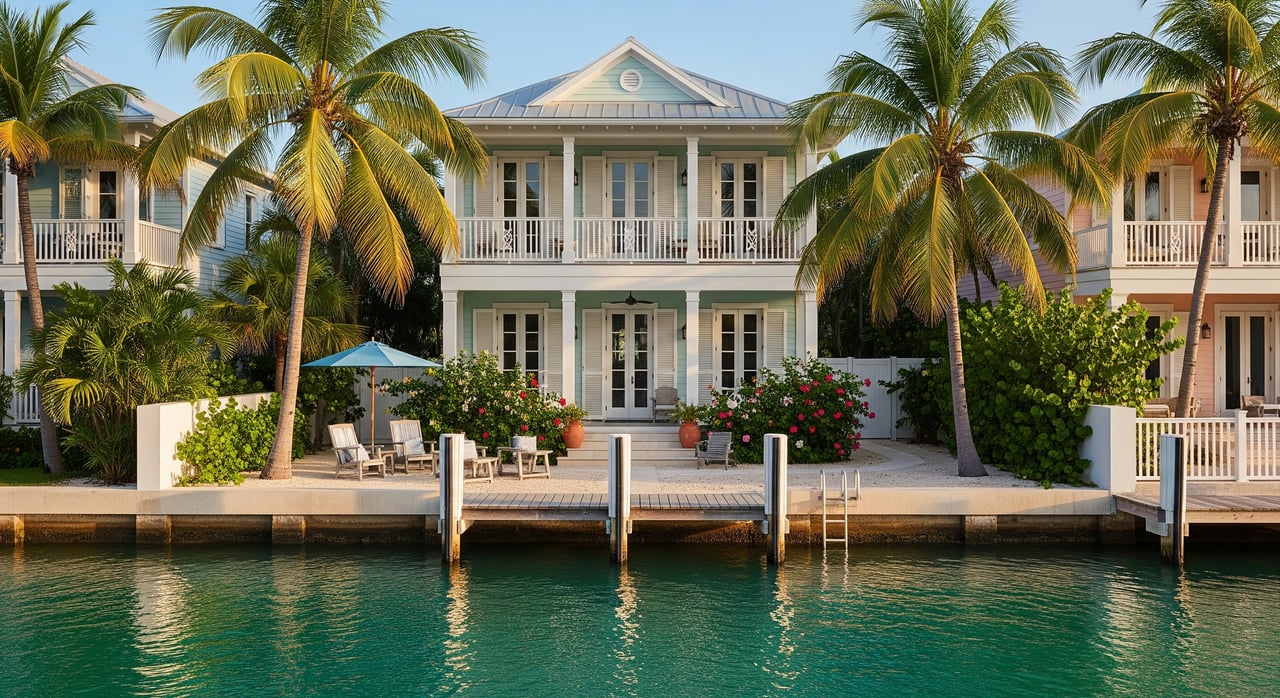
How To Choose Your Key West Neighborhood As A Second-Home Buyer
February 5, 2026
February 5, 2026
Choosing a second home in Key West is exciting, but the island’s neighborhoods are distinct. Do you want to walk to Duval Street, dock a boat in minutes, or retreat to a quiet lane? Your answer shapes everything from daily convenience to insurance costs.
You deserve a place that fits how you plan to use it. Maybe you’ll slip in for long weekends, spend winters here, or host occasional renters. In this guide, you’ll learn how each Key West area lives, what due diligence to prioritize, and how to match your lifestyle to the right location.
Let’s dive in.
Your intended use is the fastest way to narrow the map. Think about frequency, rental plans, maintenance tolerance, and boating needs.
If you fly in for quick getaways, being able to walk or bike to restaurants and shops matters. Old Town and Truman Annex let you park the car and forget it. If you stay for months, a quieter residential pocket like The Meadows or New Town can feel easier day to day.
Short‑term rental rules differ between the City of Key West and unincorporated Monroe County. Some neighborhoods cap transient rentals, and many HOAs prohibit them. Always verify local licensing, taxes, and HOA policies in writing before assuming rental income.
Historic cottages deliver island charm, but they require more care. Condos and townhomes with HOA management often make lock‑and‑leave ownership smoother. Decide how much maintenance you want to take on between visits.
Not all waterfront is equal. Canal depths, bridge clearances, and slip availability vary. If your boat is a priority, focus your search near marinas and verified deep‑water access.
Use these quick profiles to align lifestyle, upkeep, and access with your plans.
You’ll find classic conch cottages, shotgun homes, and converted carriage houses. It is the most walkable area for dining, galleries, and nightlife near Duval Street and Mallory Square. Expect higher prices per square foot and strong historic preservation rules that shape exterior changes. Great for buyers who want to park the car and live in the heart of it.
This gated community offers townhomes and condos with HOA management. You’re steps from Old Town and the waterfront, yet the setting feels private. It’s a strong fit if you want the Old Town lifestyle with simpler, lock‑and‑leave ownership.
Just west of Duval, this area mixes small historic homes and cottages. It is highly walkable and close to restaurants and markets. Resale and rental dynamics vary by property, so verify details on a case‑by‑case basis.
You’re near the south‑side beaches and the historic hotel area. Housing includes a mix of single‑family homes and some condos. It suits buyers who want beach access with a calmer feel compared to the tourist core.
Expect single‑family homes on larger lots and some mid‑century architecture. It’s more residential, with moderate walkability and easier street parking. A good match if you want a peaceful setting within a short drive or bike ride to Old Town.
This is Key West’s service hub with supermarkets, hardware stores, and the airport nearby. Housing includes modern single‑family homes, townhouses, and larger condo complexes. You’ll rely more on a car, but you often get more space or a lower price per square foot than Old Town.
Stock Island is a major boating hub with extensive marinas and deep‑water slips. You’ll see a mix of modest homes, new developments, and live‑work spaces. It’s ideal for buyers who own boats or want reliable slip access and often newer construction.
With limited, high‑end homes and resort amenities, this private island offers exclusivity. You access Key West by shuttle. Inventory is limited, and prices reflect the setting.
Beyond the city limits, places like Big Pine and Sugarloaf often offer larger lots and lower prices per square foot. You trade longer drives to Old Town for more privacy and space. Confirm county rules if you plan to rent seasonally.
Use these quick scenarios to focus your search.
The purchase price is only part of the picture. In the Keys, the following items move your monthly and annual costs.
Key West has substantial areas in FEMA flood zones. Lenders typically require flood insurance in Special Flood Hazard Areas. Obtain an elevation certificate and verify the property’s FEMA Flood Insurance Rate Map designation before you finalize your offer. Ask for current flood and windstorm premiums so you can compare apples to apples.
Hurricane season runs June through November. Look for impact‑rated windows or shutters, roof condition, and wind mitigation upgrades. Budget for island maintenance like HVAC wear, wood rot, and corrosion in salt air.
Most of the Keys have been transitioning away from septic. Confirm whether the property is connected to sewer and whether any assessments or impact fees apply. If a conversion is pending, get the timeline and costs in writing.
HOAs often regulate rentals and exterior changes. Review CC&Rs, current special assessments, and reserve studies. This helps you avoid surprises on rentals, renovations, or monthly dues.
Coastal second homes can involve stricter underwriting and higher down payments. Some buyers choose specialty insurance or public options depending on availability. Talk to lenders and insurance brokers early so timelines and costs are clear.
If boating is central to your lifestyle, verify details before you write an offer.
Use this list to compare properties and avoid surprises.
If you are relocating or splitting time, plan your logistics early. Look at travel schedules around high season, when traffic and rental demand increase. Set up property management support for cleanings, check‑ins, and storm preparation if you will be away. Line up contractors ahead of any planned renovations, especially in historic districts where approvals can add time.
Choosing the right Key West neighborhood is about matching your lifestyle and use plans to the island’s micro‑markets, then verifying the details that drive cost and comfort. If you want concierge‑level guidance with clear next steps and discreet negotiation, connect with Sherri Blasingame for a neighborhood tour, due diligence plan, and a smart path to your second home.
Stay up to date on the latest real estate trends.


I am committed to guiding you every step of the way—whether you're buying a home, selling a property, or securing a mortgage. Whatever your needs, I've got you covered.
Sherri Blasingame
336 Duval St Key West, Florida 33040