You love the patina and porch life of a classic Key West home, but you also want bright, breezy rooms and low‑stress maintenance. You’re not alone. Many island homeowners look for a modern coastal feel that still respects a home’s history and the rules that protect Old Town’s charm. In this guide, you’ll learn how to balance preservation with smart upgrades, choose climate‑ready materials, and style your spaces for effortless coastal living. Let’s dive in.
Preserve what makes it Key West
Before you pick paint or furniture, decide what to keep. Conch‑style houses have distinct features that define their character. These are worth protecting and often required to remain.
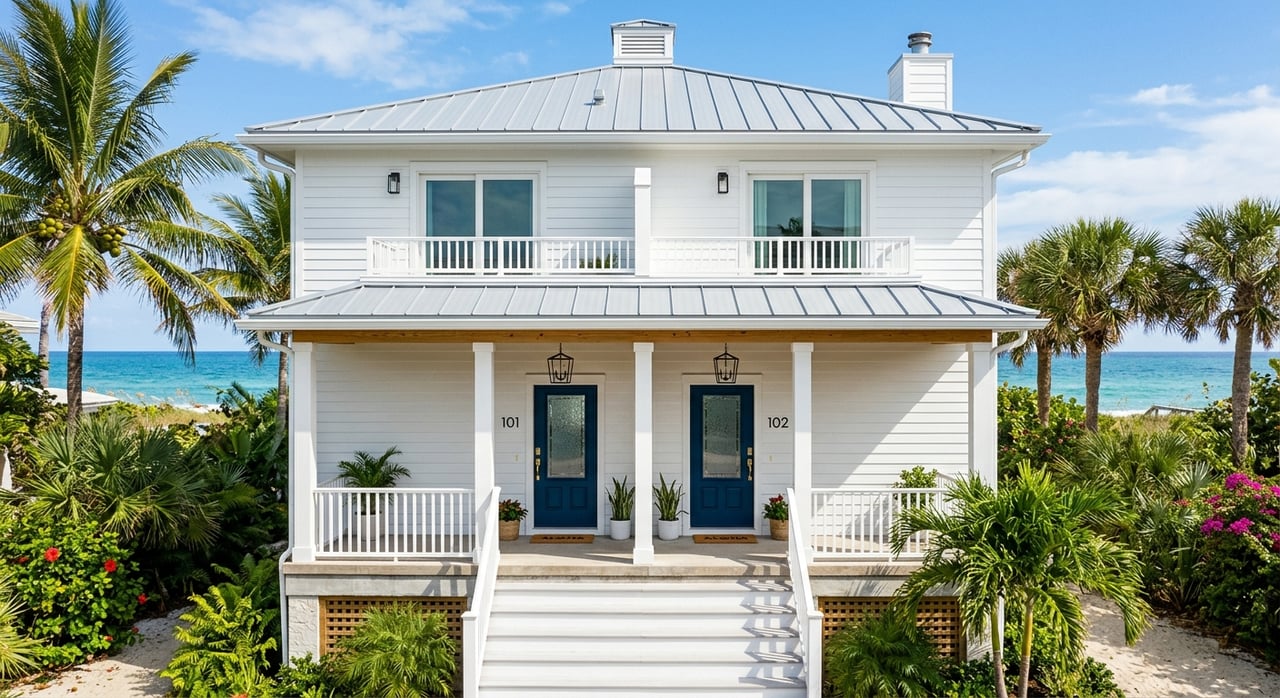
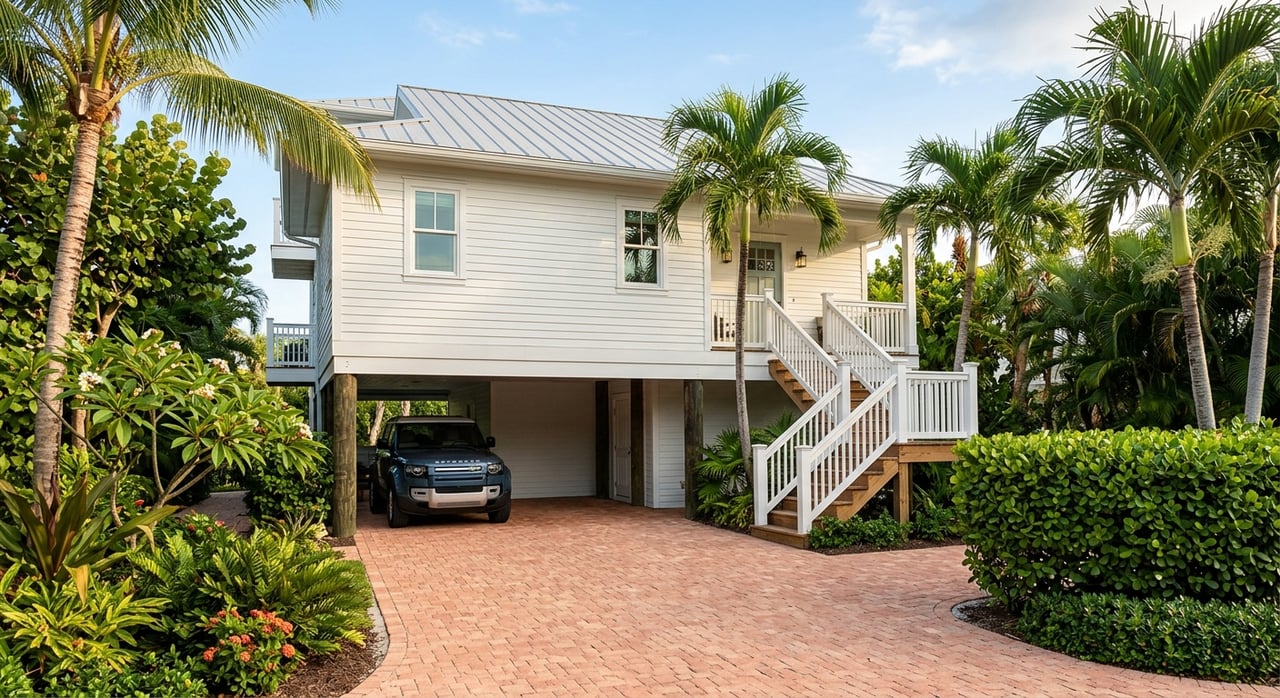
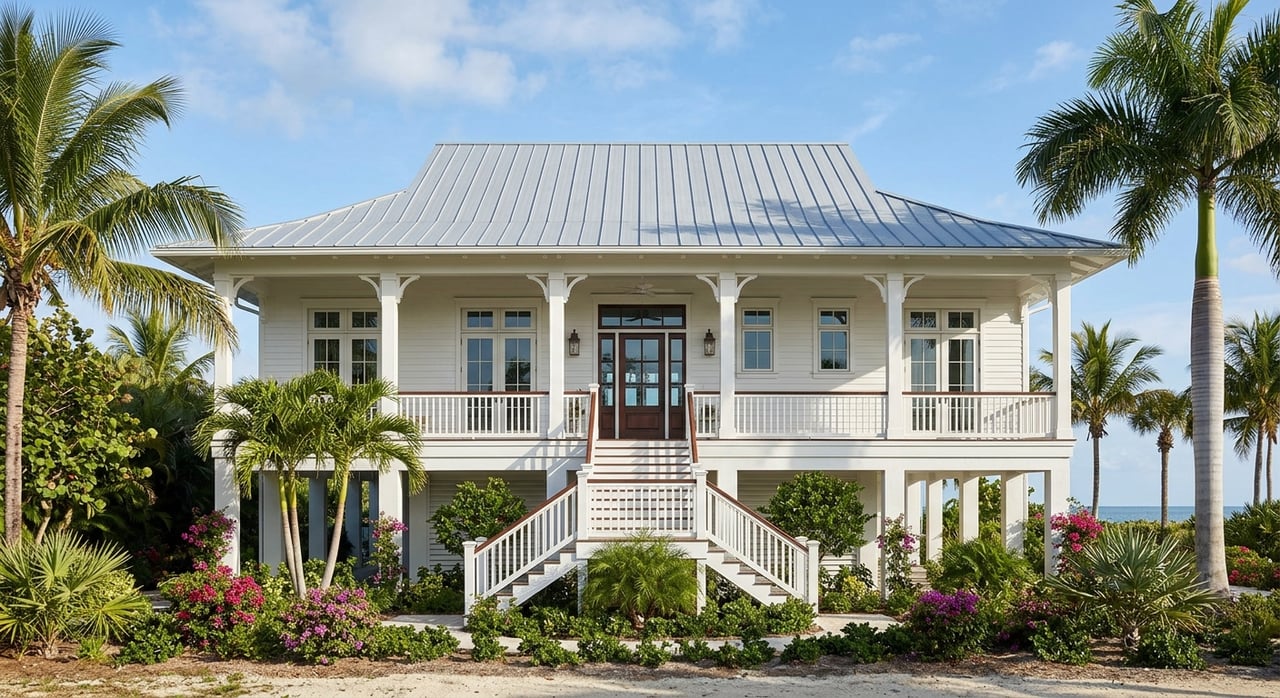
- Signature exteriors: raised foundations, full‑width porches, wood clapboard siding, double‑hung windows, and louvered Bahamas shutters.
- Roof and shade: simple gable or hip roofs, broad overhangs, and tall ceilings that help the house breathe in our climate.
- Interior details: wide‑plank or historic pine floors, beadboard on walls or ceilings, transoms, and tall baseboards.
Retaining these elements gives you a timeless backdrop. Then, layer in modern finishes and furnishings for a clean, coastal look that feels current without losing authenticity.
Know the rules and the process
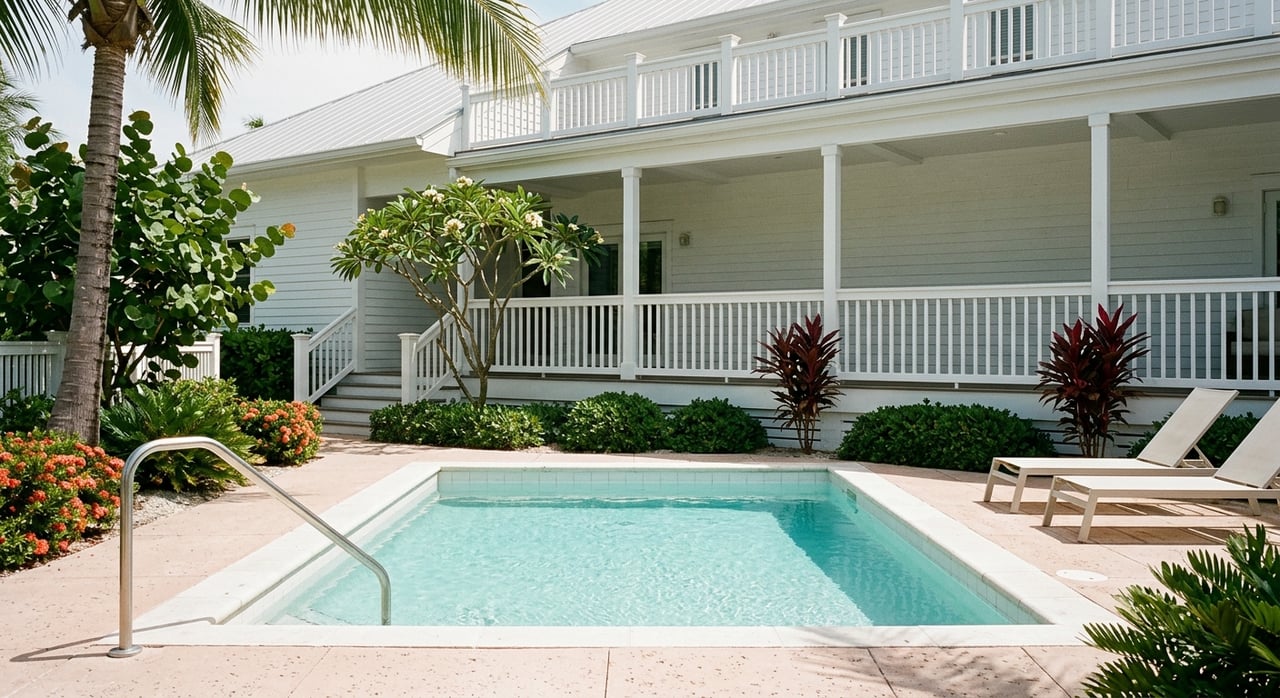
If your home is in the historic district, exterior work usually needs approval from the city’s Historic Architectural Review Commission. Plan your project with the HARC Historic Architectural Design Guidelines in hand, especially for painting, roofs, porches, shutters, fences, pools, and site features. Expect to document existing conditions and proposed changes as part of the Certificate of Appropriateness process.
Use national preservation best practices as your north star. The Secretary of the Interior’s Standards for Rehabilitation emphasize three things: preserve character‑defining features, repair rather than replace when possible, and ensure new work is compatible yet clearly contemporary so the original fabric remains legible.
Finally, check flood risk early. Key West permitting integrates flood‑zone and elevation compliance. Review the Monroe County preliminary coastal flood maps before planning ground‑level outdoor spaces, mechanical locations, or floor elevations.
Modern coastal, done right
A modern coastal interior should feel bright, open, and easy to maintain. In a historic Key West home, aim for harmony, not a total rewrite.
- Use passive cooling first. Keep porches, operable shutters, and tall ceilings working for you. Complement them with right‑sized HVAC, ceiling fans, and dehumidification to control moisture.
- Hide performance upgrades. Where possible, place impact glazing, new insulation, and mechanicals away from street views or make them visually discreet, per HARC’s guidance on windows, shutters, and solar.
- Treat the roof with care. Preserve the roof form and historically appropriate profiles. If you are considering energy upgrades, Key West has precedent allowing reflective “cool” white roofs in some cases, but coordination is essential. See the summary of the ruling on white roofs in the historic district. Solar is often possible if arrays are sited to minimize visibility from public streets.
Materials that stand up to salt and sun
Choosing the right materials keeps your home beautiful with less upkeep.
- Siding and trim: HARC prefers repair of original wood clapboard where present. If replacement is justified, fiber‑cement lap siding can be a durable, low‑maintenance option when it matches the original profile and details. Review product options from well‑known fiber‑cement manufacturers and confirm compatibility with HARC.
- Fasteners and hardware: Salt air is unforgiving. Specify marine‑grade 316 stainless for exterior screws, bolts, hinges, and rail fittings. It resists chloride and pitting better than 304, which helps keep finishes crisp. Learn more about choosing 316 stainless hardware for coastal use.
- Paints and prep: Use high‑quality exterior latex paints with UV and mildew resistance. Follow gentle paint removal and prep methods to protect historic wood, as outlined in the HARC guidelines.
- Roofing: When replacement is needed, match historic profiles and materials as closely as possible from the street view. Coordinate any color changes or solar installations with HARC early.
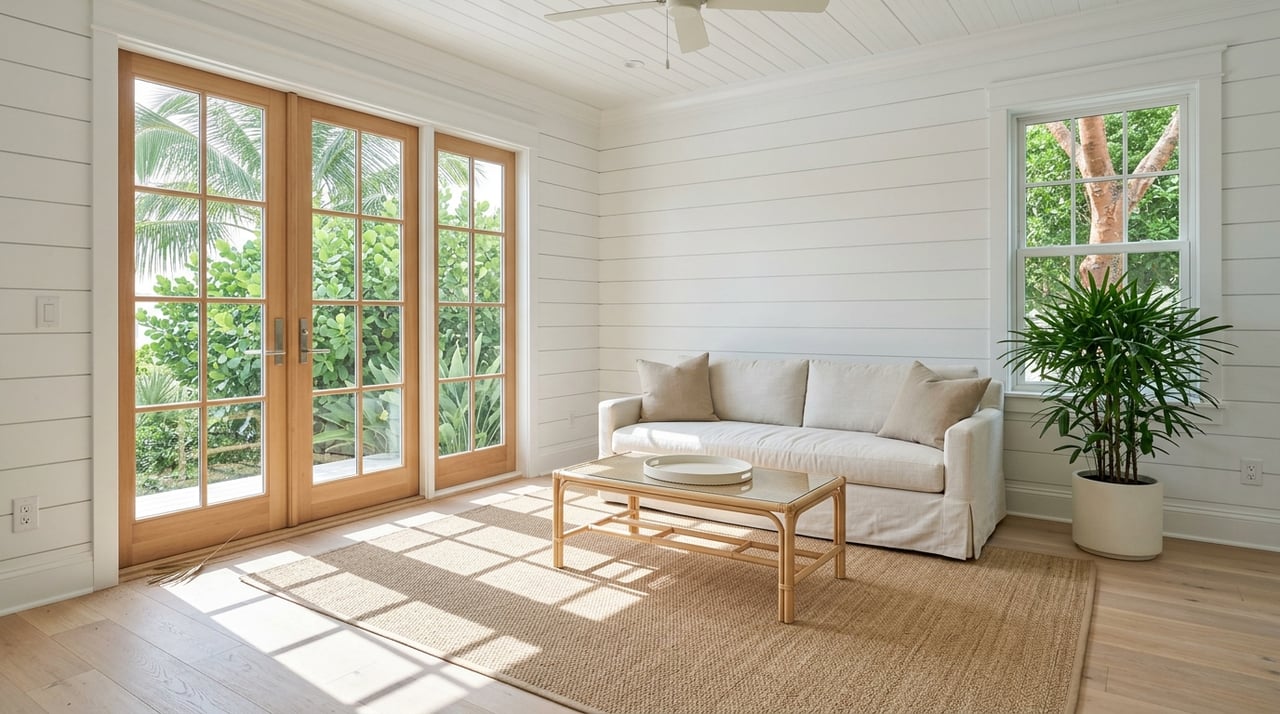
- Flooring: For humid interiors, engineered hardwood or porcelain tile perform well. If you have historic wide‑plank boards, plan for careful repair and refinishing to keep that irreplaceable character.
Color palette that feels coastal and classic
Key West’s traditional exterior colors lean light, which pairs well with an updated coastal interior.
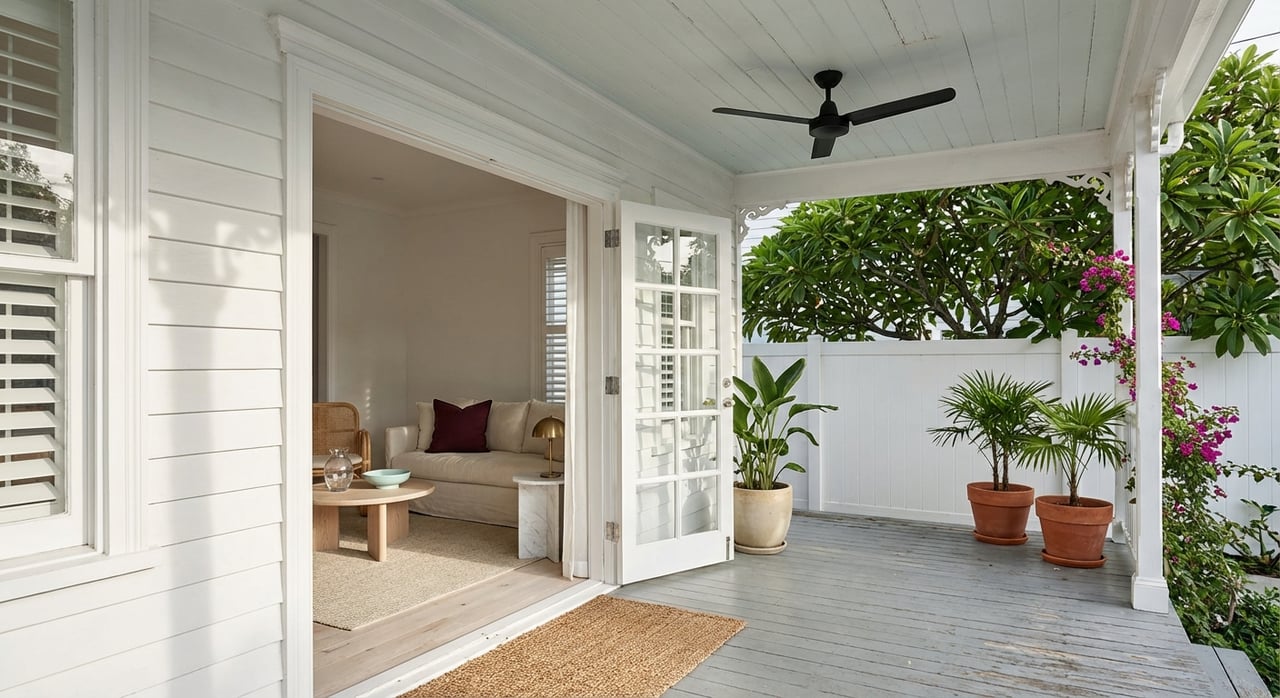
- Exterior cues: White or pastel body colors with white or off‑white trim are classic in Key West. Many homes feature a pale aqua porch ceiling.
- Interior base: Start with warm whites, sand, and soft grays for walls and larger surfaces.
- Accents: Layer in sea‑glass blues, soft aqua, or sage through textiles and art. Repeat a porch‑ceiling blue indoors in small doses to visually connect inside and out.
- Finishes: Keep sheen levels practical and cleanable. Matte or eggshell walls, satin trim, and wipeable kitchen and bath finishes stand up to island living.
Furnishings and textiles that work
Furnishings should respect room scale and invite relaxed living. Keep lines clean so historic details can shine.
- Scaled pieces: Choose sofas and chairs with a lighter profile. Avoid oversized sectionals that overwhelm smaller historic rooms.
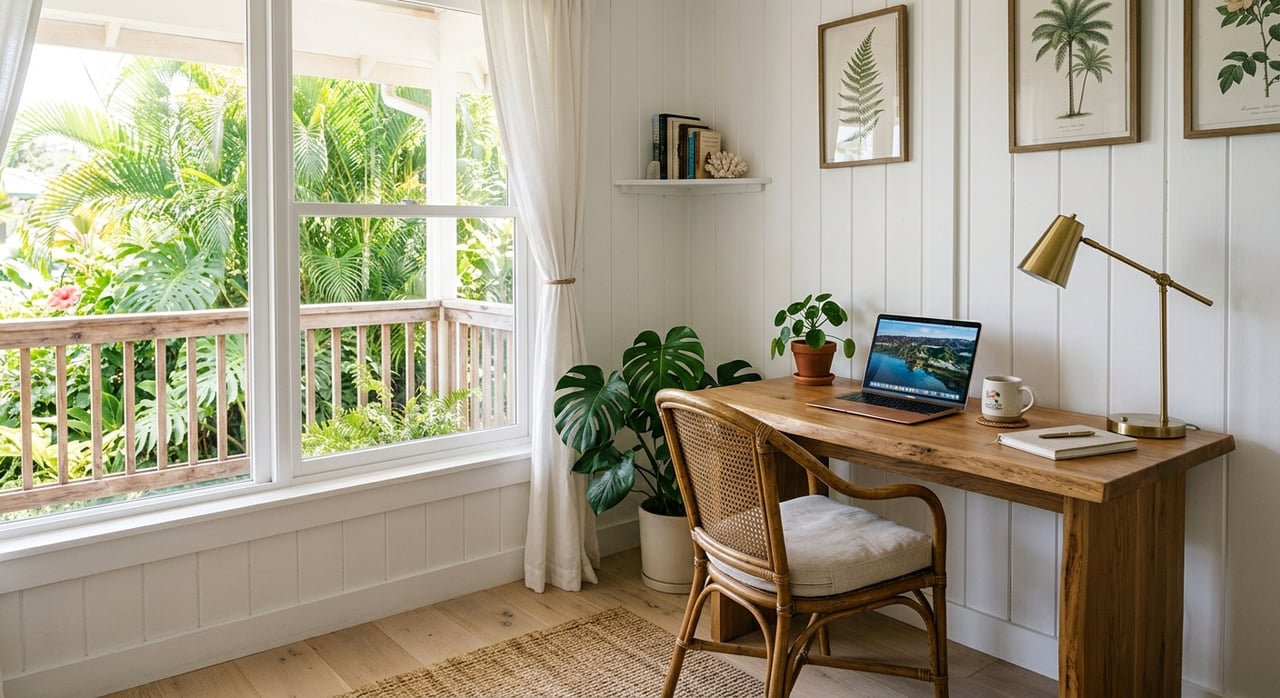
- Materials: Mix teak or other quality hardwoods, powder‑coated aluminum, and woven rattan or wicker for a layered coastal look. Linen and cotton blends keep it breathable.
- Performance fabrics: On porches and in high‑sun rooms, consider fade‑ and mildew‑resistant options. For ideas, explore indoor‑outdoor throws and upholstery designed for coastal use from performance fabric makers.
- Layering: Add jute rugs, pale ceramics, and a few curated vintage pieces. Use modern, simple lighting to keep the vibe fresh without reading ultra‑modern.
Outdoor living that honors the house
Your porch is not just pretty. It is a key part of how Conch houses manage heat and rain.
- Porches first: Maintain or restore porch width, columns, and rail proportions. Front porch work usually requires a HARC review, so plan ahead.
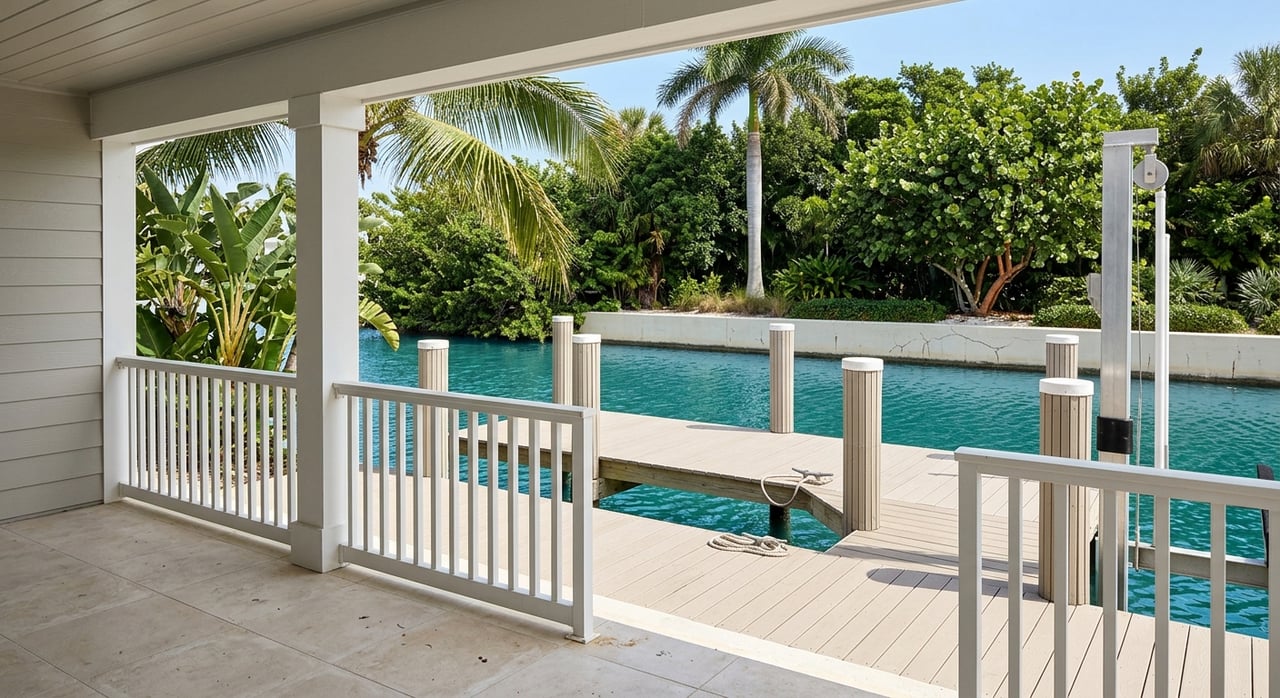
- Decking and details: Select materials that handle sun and salt, like teak or high‑quality capped composites. Avoid systems that trap moisture against siding or conflict with historic surface profiles near the façade.
- Planting: Choose salt‑tolerant, low‑maintenance species and native options that need less irrigation. Review setbacks and site work needs along with flood considerations using the Monroe County flood resources.
- Storm readiness: Where possible, elevate or relocate mechanicals out of likely flood paths. Confirm elevation requirements during your early planning.
Quick‑start checklists
Use these bite‑size lists to shape your plan and avoid surprises.
HARC readiness
- Identify if your home is in the historic district and what parts are original or contributing.
- List exterior changes you are considering: paint, roof, porch, windows, shutters, fences, pools, solar.
- Review the HARC Guidelines and note documentation you will need.
- Build time for review and permitting into your project schedule.
Flood and resilience
Humidity and ventilation
- Keep indoor relative humidity ideally between 30 and 50 percent and below 60 percent to limit mold.
- Pair right‑sized HVAC with dehumidifiers and continuous bath and kitchen ventilation.
- Use ceiling fans and operable shutters to support natural ventilation. See the EPA’s guidance on humidity and moisture control.
Materials to prioritize
- Exterior: repair original clapboard and trim where feasible; consider fiber‑cement look‑alikes only when appropriate and approved.
- Fasteners and hardware: specify 316 stainless for exposed metal.
- Roofing: match historic profiles; coordinate color and any solar early.
- Paints and sealants: choose UV‑ and mildew‑resistant exterior products; use gentle prep methods.
- Interiors: engineered hardwood or porcelain tile in high‑moisture areas; preserve historic floors when possible.
Sample modern coastal palette
- Base: warm white walls, white or off‑white trim.
- Contrast: natural wood tones on floors or select furniture.
- Accents: sea‑glass blue, soft aqua, or sage in textiles and art.
- Porch tie‑in: a pale aqua porch ceiling echoed in a throw or lamp indoors.
Bring it all together
Designing a modern coastal look in a historic Key West home is about balance. Keep the character that makes your house special, choose materials that thrive in salt and sun, and plan upgrades that respect both the streetscape and our climate. With the right approach, you can enjoy light‑filled rooms, easy care, and the timeless charm of a true Conch house.
If you are considering a purchase or sale in Old Town or the Lower Keys and want a design‑savvy plan for value and lifestyle, reach out to Sherri Blasingame. You will get concierge‑level representation, clear guidance on local processes, and a trusted partner who understands how to align aesthetics with smart island living.
FAQs
Do you need HARC approval for exterior work in Key West?
- Yes. Most exterior changes in the historic district, including paint, roofs, porches, fences, windows, and pools, require review under the HARC Guidelines.
Are modern materials like fiber‑cement allowed on historic homes?
- Possibly. HARC prefers in‑kind repair for character‑defining elements, but modern substitutes can be approved if they are visually compatible and well documented.
What exterior metal hardware resists salt air best?
- Specify marine‑grade 316 stainless steel for exposed fasteners and hardware because it resists chloride corrosion and pitting in coastal environments.
What color is traditional for a Key West porch ceiling?
- A pale aqua or light blue porch ceiling is historically appropriate and commonly listed in local guidance for traditional Key West homes.
How do you manage humidity and mold in this climate?
- Combine right‑sized HVAC with dehumidification and continuous ventilation; keep indoor relative humidity ideally between 30–50 percent and below 60 percent per EPA guidance.
Can you add solar panels to a historic Key West roof?
- Often yes, if arrays are sited to minimize public‑street visibility and coordinated early with HARC review to protect the historic appearance.