Leave a Message

By providing your contact information to Sherri Blasingame, your personal information will be processed in accordance with Sherri Blasingame's Privacy Policy. By checking the box(es) below, you consent to receive communications regarding your real estate inquiries and related marketing and promotional updates in the manner selected by you. For SMS text messages, message frequency varies. Message and data rates may apply. You may opt out of receiving further communications from Sherri Blasingame at any time. To opt out of receiving SMS text messages, reply STOP to unsubscribe.

Thank you for your message. I will be in touch with you shortly.

Explore My Properties

Conch Architecture in Key West: An Insider’s Buyer Guide

November 14, 2025

Fell in love with a pastel cottage and a shady front porch on your last stroll through Old Town? You’re not alone. Conch architecture is part of what makes Key West irresistible, but buying a historic wood-frame home in a coastal, hurricane-prone market calls for a clear plan. In this guide, you’ll learn how to recognize authentic Conch features, what inspections and documents to request, how local rules affect renovations, and the smart upgrades that protect your investment. Let’s dive in.

Conch architecture basics

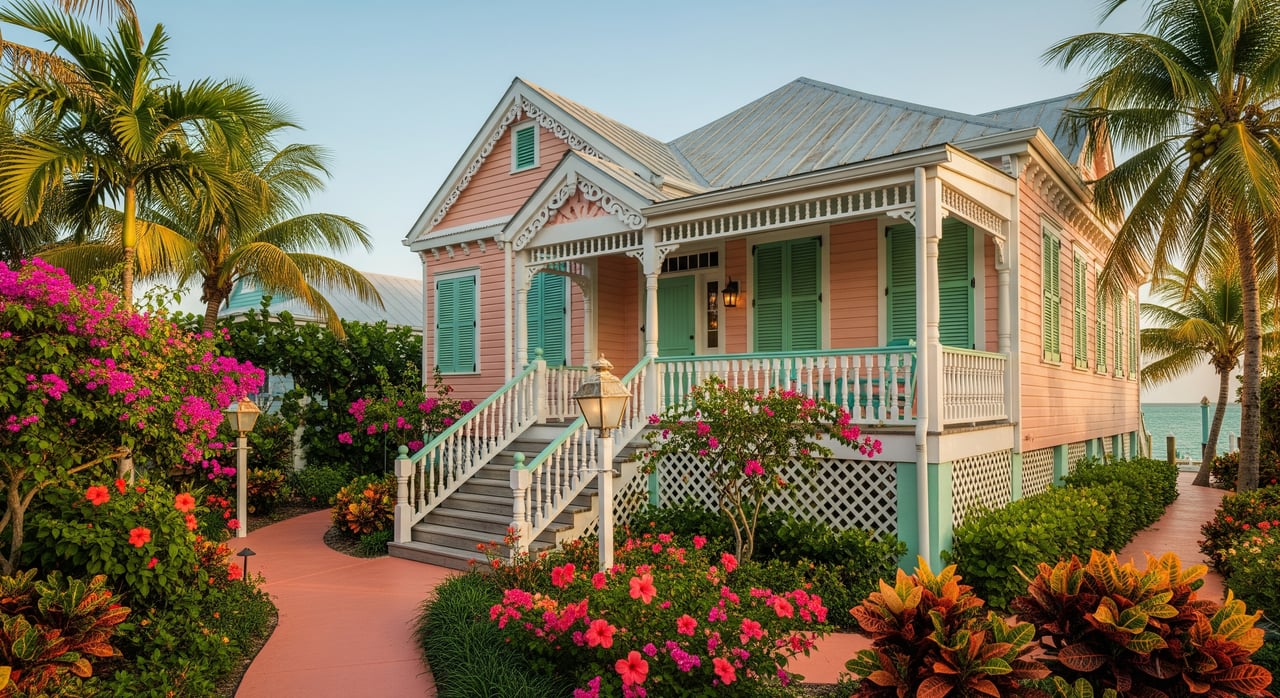
Conch houses are Key West’s signature vernacular homes. They blend Caribbean/Bahamian influence with New England carpentry, adapted to tropical heat, salt air, and storms. Most date from the 19th and early 20th centuries and cluster in Old Town and the Historic District.

For buyers, that history brings character and location benefits, along with responsibilities. You’ll navigate older materials, preservation oversight, and higher wind and flood risks. Understanding these trade-offs helps you buy with confidence.

Signature features to recognize

Conch homes vary, but you’ll typically find:

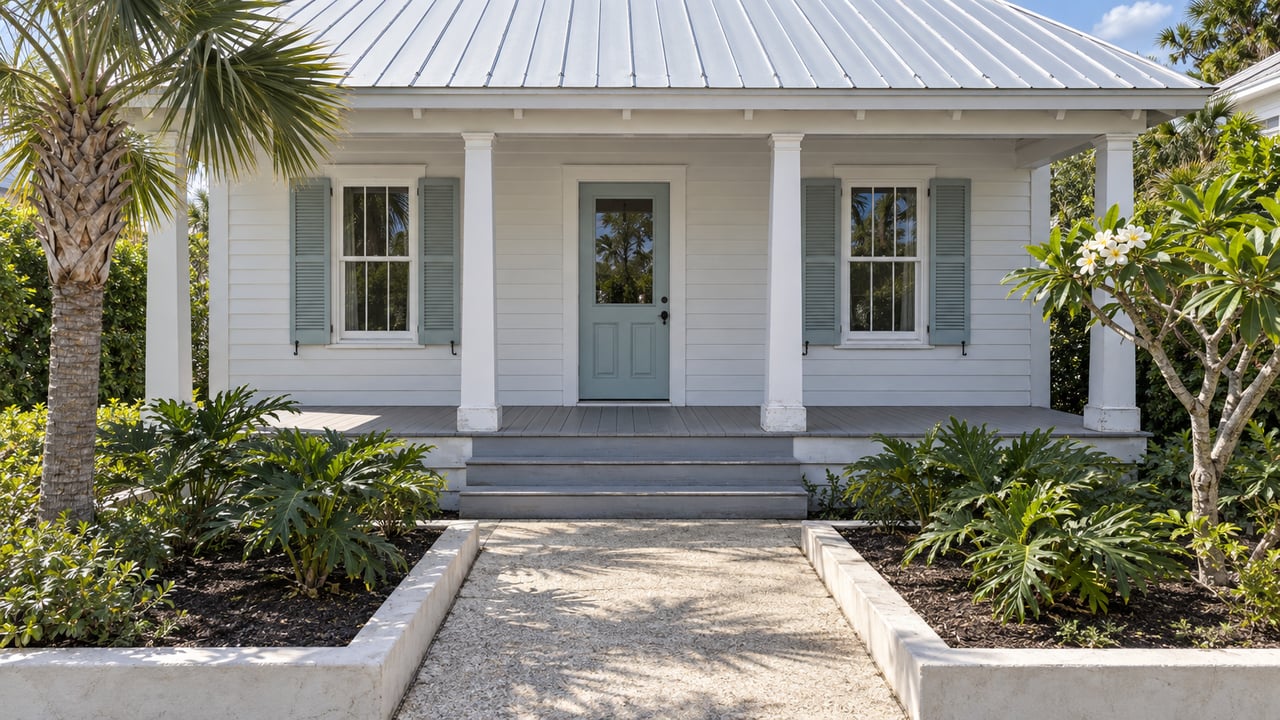
  • Wood-frame construction with clapboard or horizontal wood siding.
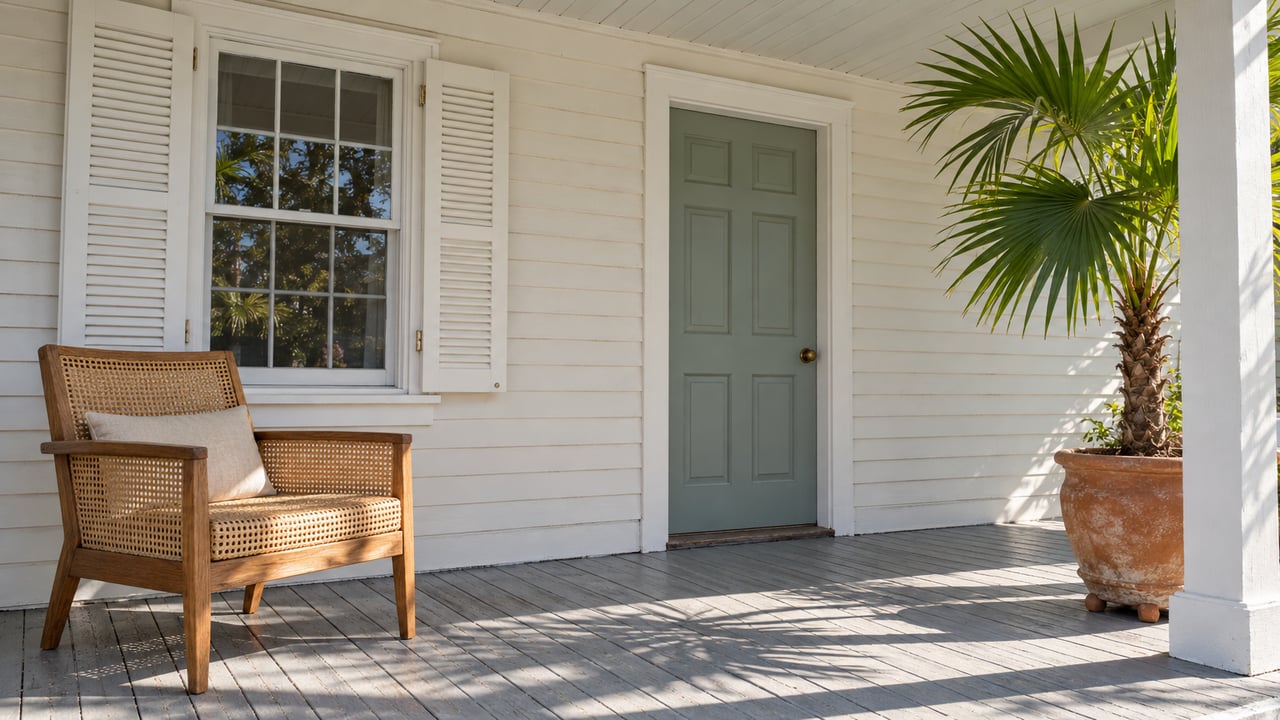
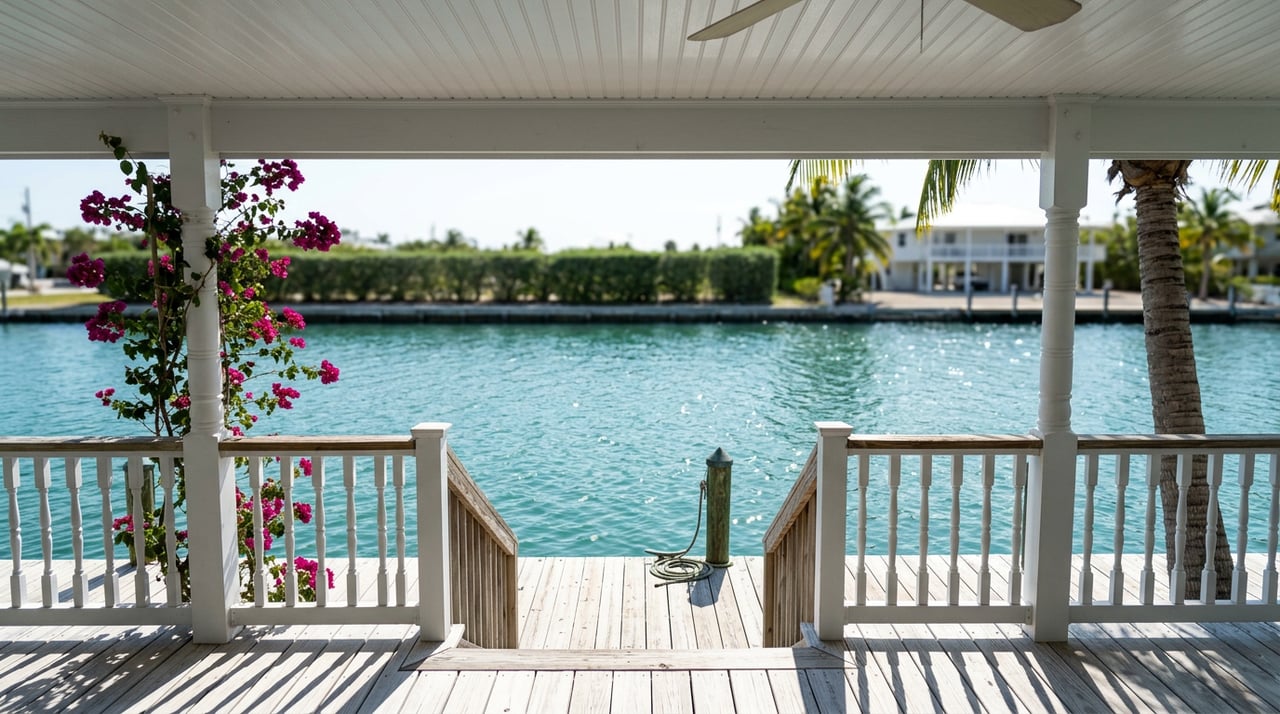
  • Deep, shaded porches that cool interiors and extend living space.
  • Steep gabled or hipped roofs, often with durable metal roofing.
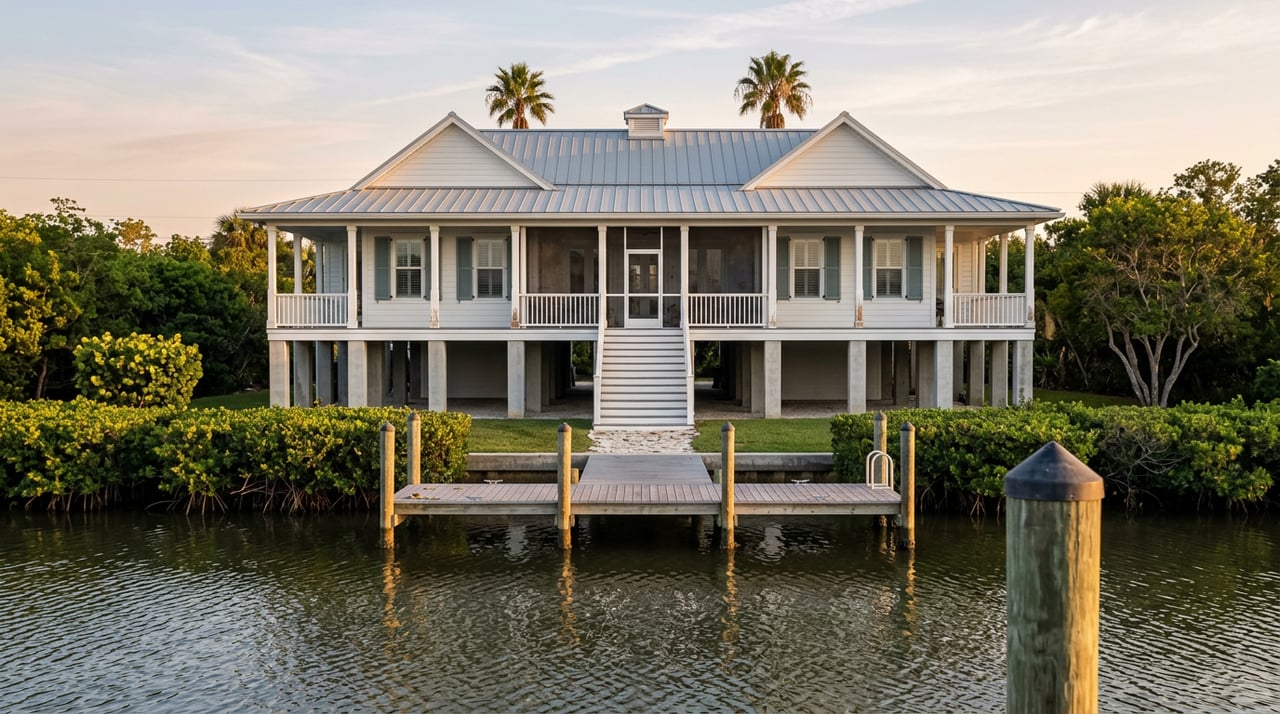
  • Raised foundations on piers or low crawlspaces to promote airflow and reduce flood exposure.
  • Double-hung sash windows with operable or louvered shutters for ventilation and storm protection.
  • Simple floor plans aligned for cross-breezes and natural light.

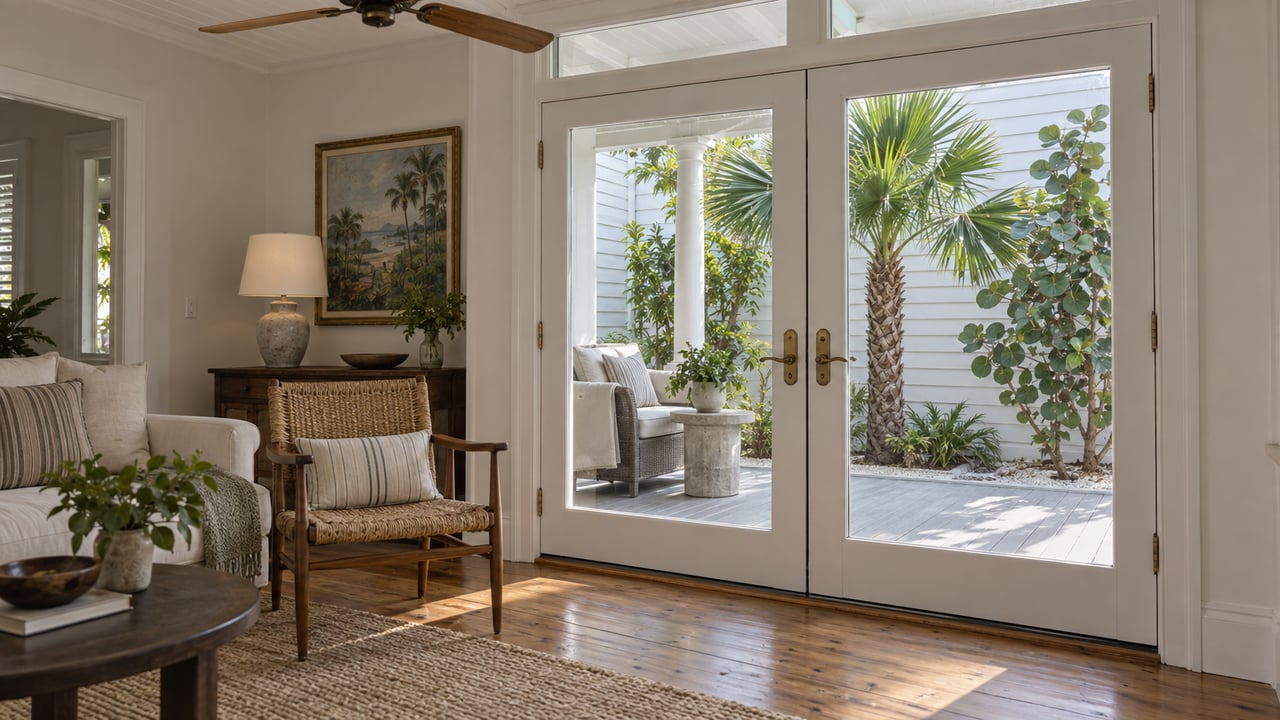
Inside, look for tongue-and-groove wood walls and ceilings, transoms over doors, narrow rooms, and original wood floors. Many homes feature modest moldings and built-ins.

Style variations and value

You’ll see several variations across the island:

  • Plain Vernacular Conch: Practical and modest, with a strong emphasis on porch life and airflow.
  • Conch Victorian: The same basic form with added gingerbread trim, brackets, and sometimes asymmetry from the Victorian era.
  • Bahamian-influenced Conch: Wider porches, louvered shutters, and detailing tuned for passive cooling.

Well-maintained examples, especially with documented historic integrity and thoughtful modernization, tend to command premiums. Condition, permitted upgrades, and flood exposure significantly influence value.

Local rules that shape your plans

Much of Old Town lies within local and national historic districts. Exterior changes visible from the street often require review by the City’s historic-preservation body. Expect guidelines for materials, window and door profiles, roof types, porch design, and sometimes paint palettes.

Florida’s statewide building code applies here, with local enforcement in Monroe County. Key West sits in high-wind and flood-prone zones, so modern hurricane ties, impact-rated glazing or shutters, and continuous load paths are standard in retrofits. Many properties are in FEMA Special Flood Hazard Areas (AE or V zones), which can trigger elevation or floodproofing rules and influence insurance costs.

Permitting can take longer when historic review or structural work is involved. Starting conversations with planning, building, and historic staff early avoids costly surprises.

Inspections that matter most

Because you’re buying wood-framed, coastal architecture, line up specialists who understand historic and maritime conditions.

Request these inspections and documents:

  • General home inspection by a pro with historic and coastal experience.
  • Pest/WDI inspection for termites and other wood-destroying insects.
  • Roof inspection focused on metal roof seams, fasteners, and flashing.
  • Structural engineer review if you see sagging floors, settlement, or plan elevation work.
  • Moisture/rot assessment for sill plates, porch posts, lower siding, and around doors/windows.
  • Electrical and plumbing evaluations to identify outdated panels, wiring, or piping.
  • HVAC assessment; mini-splits can be a smart retrofit where ducts are limited.
  • Elevation certificate for accurate flood-insurance quoting.
  • Wind-mitigation inspection to document roof-to-wall connections, shutters, and secondary water barriers.

Common issues include rot near grade, termite damage, outdated electrical systems, limited insulation, and corrosion of fasteners in salt air. Stainless or hot-dipped galvanized hardware is preferred for repairs.

Hurricanes, flood, and smart retrofits

You can preserve character while improving resilience. Options include:

  • Roof-to-wall strengthening: Add hurricane straps and continuous load paths.
  • Openings protection: Install impact-rated windows/doors or removable shutters in line with preservation guidance.
  • Secondary water barriers: Improve roof sheathing protection under metal panels.
  • Elevation: Raising a home can reduce flood risk and insurance costs. Feasibility depends on flood zone, the home’s historic status, and local rules.
  • Breakaway walls and vents: Required in some V zones under raised structures.
  • Materials selection: Choose historically appropriate options with modern performance, like painted metal roofing with correct flashing details.

Before committing to renovations, verify that planned work aligns with historic guidelines. Replace-in-kind is often preferred for visible elements.

Maintenance reality and budgeting

Historic wood homes need regular care in the Keys’ sun and salt air. Plan for:

  • Exterior paint and caulk cycles to protect siding and trim.
  • Annual or biennial pest checks and preventive termite treatments.
  • Periodic review of tie-downs, roof fasteners, and shutters to ensure storm readiness.
  • Routine porch, stair, and railing repairs, especially at ground contact points.

Consistent maintenance preserves value and prevents small issues from becoming major projects.

Insurance, financing, and the bottom line

Flood insurance is a key ownership cost in Key West, and lenders typically require it in FEMA flood zones. Elevation certificates and mitigation improvements can affect premiums. Some lenders and insurers take a closer look at very old or heavily altered homes, so get pre-approvals and early insurance quotes.

If you plan upgrades, ask about renovation or preservation-friendly financing. Keep documentation of permitted work, inspections, and maintenance; strong records support valuation and buyer confidence when you sell.

What boosts or hurts value

Positive factors:

  • Documented historic integrity with sensitive, recent upgrades.
  • Impact windows or compliant shutters, roof improvements, and mechanical updates.
  • Elevated foundations or effective flood-mitigation strategies.
  • Organized permit history, elevation certificate, and professional inspection reports.

Red flags:

  • Deferred maintenance, rot, or structural concerns.
  • Non-compliant electrical or plumbing systems.
  • High-risk flood exposure without feasible mitigation options.
  • Renovation plans that conflict with historic guidelines.

Smart steps for buyers

Use this plan to streamline your due diligence:

  1. Define your goals. Decide how you’ll use the home and what changes you want to make. This helps you assess feasibility under local rules.
  2. Assemble your team. Work with a local agent and inspectors experienced with Conch houses, flood zones, and historic review.
  3. Gather records early. Request permits, any prior historic review decisions, elevation certificates, and recent inspection reports.
  4. Order specialized inspections. Include wind-mitigation and pest inspections along with structural and roof evaluations.
  5. Price the risk. Use the elevation certificate to obtain flood-insurance quotes and discuss wind-damage coverage options with your agent.
  6. Review feasibility. Before finalizing plans for additions or major glass openings, check with historic-preservation staff on what’s likely to be approved.
  7. Budget realistically. Include near-term maintenance and longer-term preservation cycles, plus targeted storm-hardening upgrades.
  8. Set a timeline. Account for permit and historic-review lead times if you plan post-closing work.

Working with a local guide

Buying a Conch home is as much about stewardship as it is about lifestyle. You get Old Town charm, shaded porches, and a walkable island setting. In return, you commit to proactive care and thoughtful upgrades that respect history and improve resilience.

If you want concierge-level guidance from offer to closing, along with local insight on historic review, inspections, and insurance, reach out to Key West Sherri at Berkshire Hathaway HomeServices Keys Real Estate. Let’s connect and map a plan that protects your investment and matches your vision of island living.

FAQs

Are Conch houses always historic-designated?

  • Many are within historic districts, but designation varies by property. Confirm status through local records before planning exterior changes.

Will historic status stop my renovation plans?

  • Exterior work visible from public ways often requires review. Thoughtful interior upgrades usually face fewer restrictions. Verify specifics with local preservation staff.

How flood-prone are Conch homes in Key West?

  • Key West is low-lying, and many properties sit in FEMA flood zones. Elevation, vents, and other flood-mitigation strategies are central to ownership and insurance.

What inspections are essential before buying?

  • A historic-savvy home inspection, pest/WDI check, roof and structural reviews, electrical and plumbing evaluations, an elevation certificate, and a wind-mitigation report.

Can I improve energy efficiency without losing character?

  • Yes. Discreet insulation, high-efficiency mini-splits, storm shutters or impact glass, and careful detailing can boost comfort while preserving historic features.

Experience Seamless Buying & Selling

I am committed to guiding you every step of the way—whether you're buying a home, selling a property, or securing a mortgage. Whatever your needs, I've got you covered.