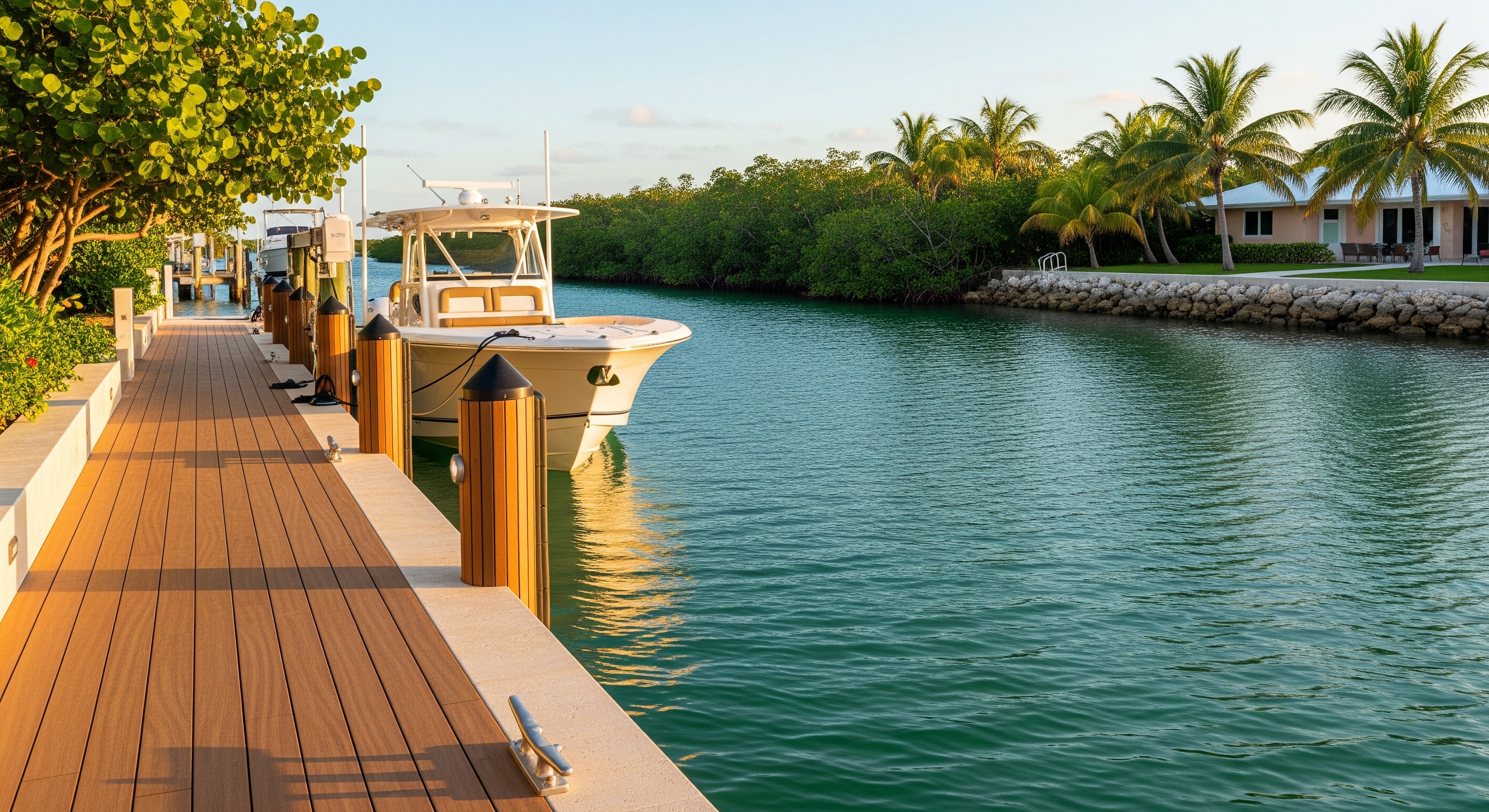
Upper Sugarloaf Boat Access for Waterfront Buyers
November 21, 2025
November 21, 2025
Dreaming of pulling your boat up to your own dock on Upper Sugarloaf Key? You are not alone. Boat access is one of the biggest lifestyle drivers for buyers in the Lower Keys, yet it comes with unique rules, tides, and environmental protections. In this guide, you will learn how local waterways work, what kinds of access are realistic for different boats, which permits matter, and the steps to confirm a property truly fits your boating goals. Let’s dive in.
Upper Sugarloaf Key sits between the Atlantic and the Florida Bay and Gulf side. You can reach the ocean through Atlantic-side channels or navigate the more sheltered bay waters on the Gulf side. Many homes use interior canals that lead to these larger waterways. Your route affects your experience, from wave action to travel time.
This is a tidal area. Depths shift with the tide and season, and many residential canals get shallow at low tide. Flats, seagrass beds, mangrove shorelines, and patch reefs shape where you can safely travel and where docks are feasible. Always plan with current nautical charts and tide information to avoid groundings and protect sensitive habitats.
You will see center consoles, bay boats, flats boats, and small cruisers. Very large yachts are less common due to canal depths, dock sizes, and limited nearby haul-out options. If you dream of a deeper draft vessel, you will need to pay close attention to canal depths at low tide and any bridge clearances along your route.
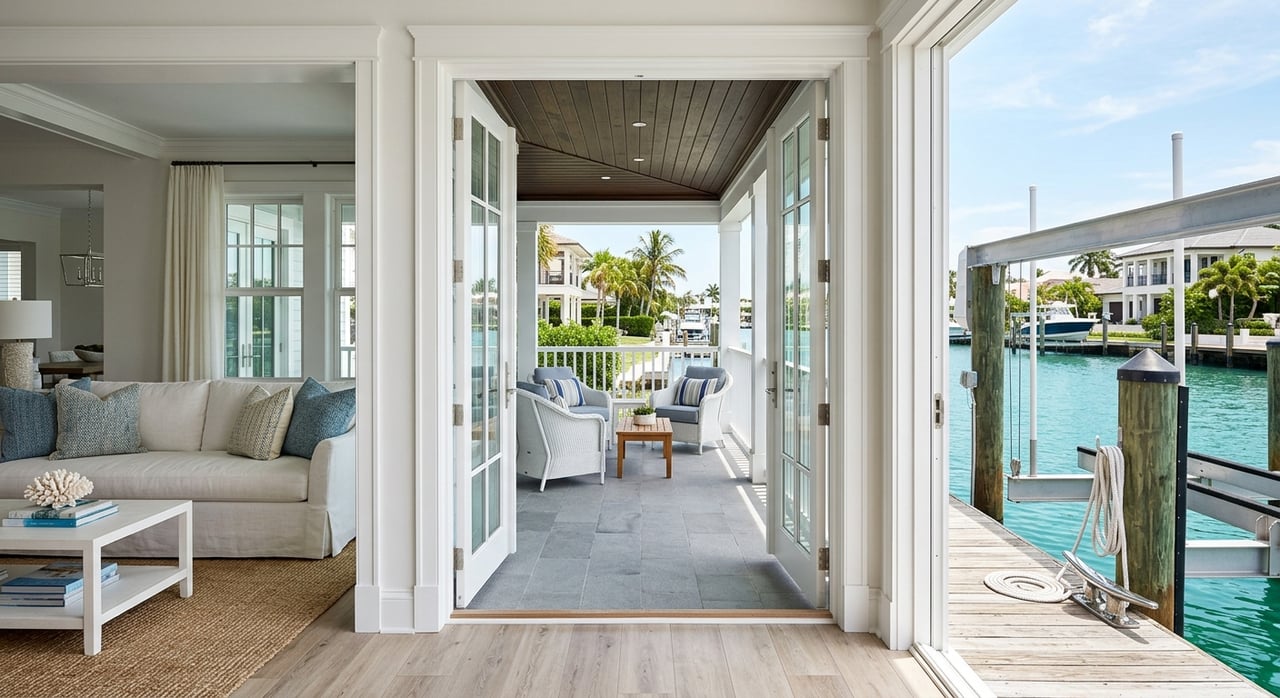
Many single-family waterfront parcels have private docks, either fixed or floating, along a seawall or bulkhead. The seawall’s condition is a major factor for maintenance and insurance. If you plan to add a boat lift or expand a dock, expect permitting reviews that consider length, setbacks, materials, and habitat impacts.
Some neighborhoods offer shared or community docks, slips, or ramps. These come with HOA rules, fees, and policies for assigning slips or regulating use. If you buy a home with access to a shared facility, confirm whether the slip transfers with the property and whether guest use is allowed.
Owners without a private dock often rely on nearby marinas or public ramps for launching and service. Local facilities provide fuel, pump-outs, haul-outs, repairs, and transient slips. In reef areas, you may see mooring buoys that protect coral. These are for short-term use and follow sanctuary rules.
Multiple agencies oversee docks, seawalls, moorings, and in-water work. Monroe County handles zoning, building, and environmental rules for local permits. The Florida Department of Environmental Protection and the state division that manages Sovereignty Submerged Lands review projects on state-owned bottom lands. Some projects also need U.S. Army Corps of Engineers permits, especially if dredging or work in navigable waters is involved. Florida Keys National Marine Sanctuary rules apply in sanctuary waters.
Seagrass, mangroves, coral, and tidal wetlands are protected resources. Anchors, props, and dock construction that harm these habitats can trigger mitigation, permit denial, or enforcement. Mangrove trimming is regulated and often requires a permit or specific methods. Expect permit conditions that limit dock length and pile placement to minimize impacts.
Florida Fish and Wildlife Conservation Commission sets statewide boating laws, including registration and safe operation. You will find manatee protection zones, no-wake areas, and local speed restrictions across the Keys. Vessel waste discharge is tightly regulated, and marinas typically offer pump-out services. Following posted zones protects wildlife and keeps your boating stress-free.
Waterfront does not automatically guarantee docking rights. Riparian rights are defined by deed, survey, and local law, and some parcels include easements or shared-use agreements. Obtain a current survey and review the deed, covenants, and HOA documents to confirm the right to keep or build a dock.
Inspect the dock and seawall for rot, corrosion, and piling integrity. Seawall failure is a high-cost repair in the Keys. Ask for copies of permits for any existing structures. Unpermitted docks or lifts can require modifications or removal, which affects your timeline and budget.
Confirm canal and channel depths at the lowest tide you are likely to encounter. This determines the maximum draft your boat can safely operate. Also check for bridge or overhead clearances along your route. Dredging to deepen a canal is expensive, heavily regulated, and not guaranteed.
Dock and seawall permitting can take months and often involves several agencies. You may need a surveyor, marine contractor, and permitting consultant to move efficiently. Plan for permit conditions that address pile spacing, materials, lighting, and setbacks to protect habitat and navigation.
Insurers often require waterfront structures to be in good repair and may ask for hurricane readiness steps such as lift straps or storm line plans. Have a strategy for haul-out or safe moorage during hurricane season. Marinas and yards have specific storm protocols, and they fill quickly when a storm approaches.
Waterfront homes with reliable, permitted dockage generally command a premium. Buyers who boat regularly value deeper water, predictable access, and permitted improvements. Uncertain rights or unpermitted structures can reduce buyer confidence and slow a sale. Solid documentation and a recent marine inspection can protect your pricing power.
Flats boats and shallow bay boats are a natural fit for many interior canals. You still need to confirm low tide depths and any shallow sections near canal mouths. Prop damage to seagrass is a risk in thin water, so route planning and slow speeds are important.
These can work well if the canal and channel depths support your draft at low tide. Check for fixed bridges and overhead obstructions. Plan for a lift that fits your hull and weight if you prefer to keep your boat out of the water between trips.
Very large vessels are less practical here because of depth constraints and dock dimensions. If you plan to keep a large boat, you may rely on a marina berth and use a smaller tender at the house. Factor this into your property search and budget.
If you want to add or modify a dock, start with a site visit and a current survey. A qualified marine contractor can flag constraints early, such as setback lines or nearby seagrass. Permitting approvals can require design tweaks, including limiting length or choosing materials that minimize shading and habitat impacts. Build your timeline with review periods in mind and sequence your closing, contractor bids, and permit applications to avoid delays.
Hurricane season planning is essential. Decide in advance whether you will haul the boat, relocate to a protected berth, or secure on a lift with storm lines and straps. Keep your insurance documents, marina storm policies, and contractor contacts in one place. Practice your plan before a storm is on the way so you can act quickly.
Upper Sugarloaf Key offers a fantastic boating lifestyle if the property and your vessel are a good match. The best results come from verifying rights, confirming depths and clearances, and planning improvements with permitting in mind. A clear, documented story about access also supports resale value. If you want a home that truly works for your boat, start with the steps in this guide and build a team that knows the Lower Keys.
Ready to find a waterfront home that fits your boat and your lifestyle, or to prep your property for the market with confidence? Connect with Sherri Blasingame for concierge guidance tailored to Upper Sugarloaf and the Lower Keys.
Stay up to date on the latest real estate trends.

I am committed to guiding you every step of the way—whether you're buying a home, selling a property, or securing a mortgage. Whatever your needs, I've got you covered.
Sherri Blasingame
336 Duval St Key West, Florida 33040