Selling in the Lower Keys can move fast until insurance questions slow everything down. If you are listing in Summerland Key, two short inspections can help you stay ahead: the wind‑mitigation report and the 4‑point inspection. With the right paperwork in hand, you can reduce renegotiations, avoid last‑minute insurer hurdles, and give buyers the confidence to move forward. Here is how to use both inspections to get truly sale‑ready.
Why it matters in Summerland Key
You live in one of the highest wind‑hazard zones in the country. The Florida Keys sit in the path of Atlantic and Caribbean storm tracks, so insurers pay close attention to wind protection features and the condition of a home’s core systems. In recent years, Florida’s homeowner insurance market has tightened, with carriers asking for more documentation during underwriting. That means clear, current reports can make the difference between an easy closing and a delayed one.
Keep wind and flood separate. Wind‑mitigation and 4‑point inspections focus on wind resistance and the condition of roof, electrical, plumbing, and HVAC. Flood zones, FEMA maps, and flood insurance are separate topics that lenders and insurers may also review. You should gather both sets of information for a smooth sale.
What a wind‑mitigation inspection covers
A wind‑mit documents features that lower the chance and severity of wind damage during storms. Insurers use it to assess risk and apply possible premium credits.
What insurers look for on wind‑mit
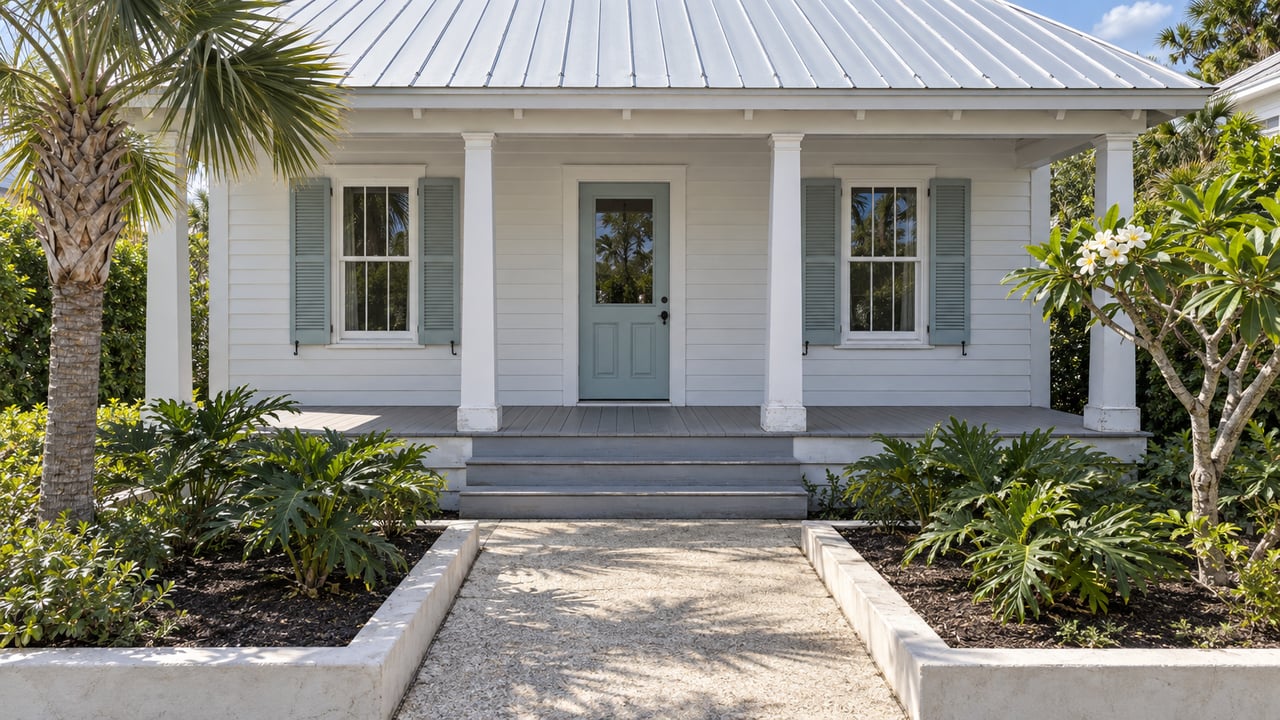
- Roof covering type and age, such as shingle, metal, or tile.
- Roof‑to‑wall attachment, including nail type and mechanical connections like clips or straps.
- Roof deck attachment, including nail type and spacing.
- Secondary water resistance, such as specific underlayments or barriers.
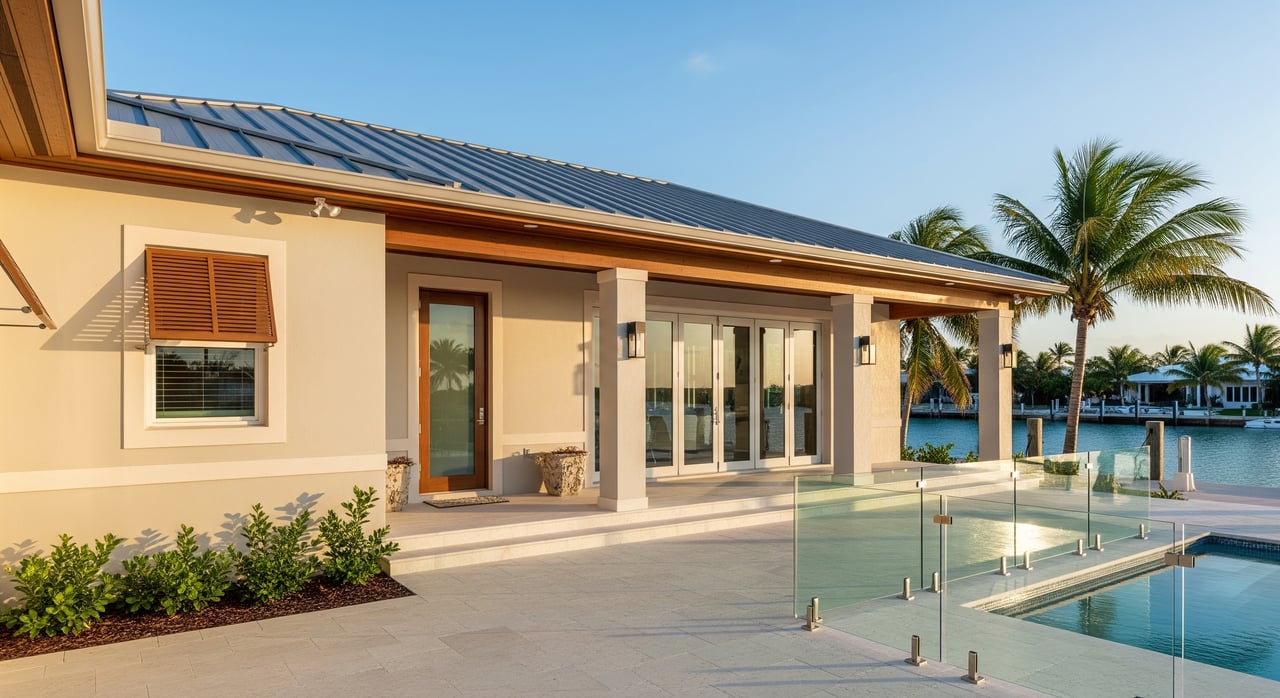
- Opening protection for windows and doors, like impact glass or certified shutters.
- Roof geometry, including hip versus gable design.
The output is a standardized Florida wind‑mit report signed by a qualified inspector. It lists the features present and may support insurance credits if your home has strong wind protection. The report generally remains useful until you make a material change, like replacing the roof or installing impact windows.
What a 4‑point inspection covers
A 4‑point is a concise snapshot of the four major systems in your home. Insurers rely on it to gauge near‑term risk.
The four systems assessed
- Roof: general age and visible condition. This is not a full roof certification.
- Electrical: panel type, visible wiring, grounding, and safety concerns.
- Plumbing: visible leaks and material types, plus water heater age and condition.
- HVAC: age, visible condition, and evidence of maintenance.
Many insurers request a 4‑point for homes around 30 years or older, but some will ask regardless, especially if the roof is aging or prior claims exist. The report flags safety hazards or deferred maintenance that could cause losses during the policy term.
The seller advantages of ordering early
Getting both inspections before you list can pay off in several ways:
- Faster and more certain closings. Buyers’ insurers can underwrite earlier, which reduces last‑minute coverage surprises.
- Fewer renegotiations. If issues surface after buyer inspections, you may face credits, repair demands, or cancellations. Pre‑listing reports let you fix items first or price accordingly.
- Potential insurance credits and more carrier options. A wind‑mit that documents impact windows, engineered roof ties, or secondary barriers can expand quoting options and, in some cases, reduce premiums.
- Stronger buyer confidence. Sharing clear reports signals transparency and can shorten contingency periods.
- Targeted, cost‑effective repairs. Focus on items that insurers care about most, such as electrical safety or documented opening protections.
- Better documentation of permitted work. Insurers value proof of permitted and inspected upgrades, especially roof replacements.
Remember, credits and underwriting decisions vary by carrier, roof age, and your property’s overall risk profile. Some fixes may require permits in Monroe County. Plan ahead to avoid schedule crunches.
Step‑by‑step pre‑listing workflow
Use this simple process to move from assessment to market with fewer surprises.
1) Early assessment
- Contact a licensed inspector who provides Florida wind‑mit and 4‑point reports. Ask to see a sample report and confirm the forms meet common carrier standards for the Keys.
- Ask local insurance agents which features and report formats carriers in Monroe County prefer.
2) Order both inspections
- Wind‑mitigation: documents wind‑resistant features and potential credit items.
- 4‑point: summarizes the condition of roof, electrical, plumbing, and HVAC.
3) Gather documentation
- Permits and final inspections for roof, electrical, plumbing, HVAC, and structural work.
- Receipts and warranties for recent replacements, such as roof, A/C, or water heater.
- Any prior insurance loss history available to you.
- Flood zone information from local sources and FEMA maps. Buyers and lenders often ask for this separately from wind documentation.
4) Evaluate findings and set priorities
- Safety or code issues: address immediately, especially electrical hazards or gas concerns.
- High‑value mitigation upgrades: weigh cost versus benefit. Examples include installing certified shutters or upgrading roof connections during a permitted roof project.
- Roof condition: if the roof is near the end of its life, many insurers may decline coverage. Replacing a worn roof before listing can avoid buyer financing bottlenecks.
- If you choose not to repair, plan to disclose the reports and consider a price or credit strategy that reflects the findings.
5) Coordinate with your listing agent and insurance advisor
- Decide whether to repair, price for known items, or offer a closing credit.
- Provide completed reports and permit documentation to your agent for the MLS and for buyer agents. Early sharing helps accelerate underwriting.
6) Disclose under Florida law
- Use the state seller’s disclosure and attach or reference the wind‑mit and 4‑point as appropriate.
- Nondisclosure of known material defects can create post‑closing liability, so keep your paperwork accurate and complete.
Smart upgrades that pay off in the Keys
If your inspections reveal gaps, focus on items that matter most to insurers and buyers in Summerland Key:
- Confirm that any roof replacement has a final permit and inspection, and keep those records handy.
- Replace outdated or unsafe electrical panels that are common reasons for insurer declines.
- Install or document opening protections with impact glass or certified shutters.
- Provide HVAC service history and receipts for recent replacements to address age concerns.
These targeted actions often provide the best return because they reduce insurer pushback and keep loans on track.
Timing, logistics, and costs
- On‑site time: wind‑mit and 4‑point inspections typically take 30 to 90 minutes. Scheduling can stretch during busy seasons.
- Cost: each report is commonly in the low‑hundreds of dollars. Request local quotes since pricing varies by provider and report complexity.
- Repair timelines: minor fixes may be completed in days. Roof replacements or structural retrofits can take weeks and require permits.
- Permits: Monroe County requires permits for most major system work. Completed, permitted projects with final inspections carry more weight with insurers.
How Key West Sherri helps you get sale‑ready
You deserve a listing experience that anticipates questions before they arise. With local expertise across the Lower Keys and a concierge approach, we help you decide which items to repair, what to disclose, and how to position your home so buyers and their insurers can say yes. We coordinate inspection timing, gather documentation, and package your listing with the clarity today’s market demands.
Backed by Berkshire Hathaway HomeServices Keys Real Estate, you get boutique attention with franchise‑level marketing and distribution. Whether you are selling a waterfront retreat in Summerland Key or a classic Key West home, we deliver responsive communication, discreet negotiation, and comprehensive transaction management. Ready to talk strategy? Let’s Connect with Key West Sherri.
FAQs
Do I need both inspections to list in Summerland Key?
- Not required to list, but strongly recommended, because many insurers ask for a 4‑point on older homes and a wind‑mit in coastal areas, which reduces underwriting delays.
Will a wind‑mitigation report guarantee an insurance discount in the Keys?
- No guarantee, but documenting features like impact windows and roof connections may make you eligible for credits or broader carrier options depending on the insurer.
How long are wind‑mit and 4‑point reports valid for sellers?
- They remain useful until a material change occurs, such as a roof replacement or system upgrade, though some insurers may still request updates.
Who should perform the inspections in Monroe County?
- Hire licensed, credentialed inspectors who use the standard Florida forms and know local carrier expectations; ask for sample reports before scheduling.
Should I complete repairs before listing or adjust price and disclose?
- Fix items that could cause insurer refusals, such as roof or electrical hazards, then consider pricing or credits for lesser issues in consultation with your agent.
Can these inspections affect buyer financing or the appraisal?
- Indirectly; if the buyer cannot secure insurance due to findings or roof age, the lender may not close, so having reports early helps prevent loan delays.