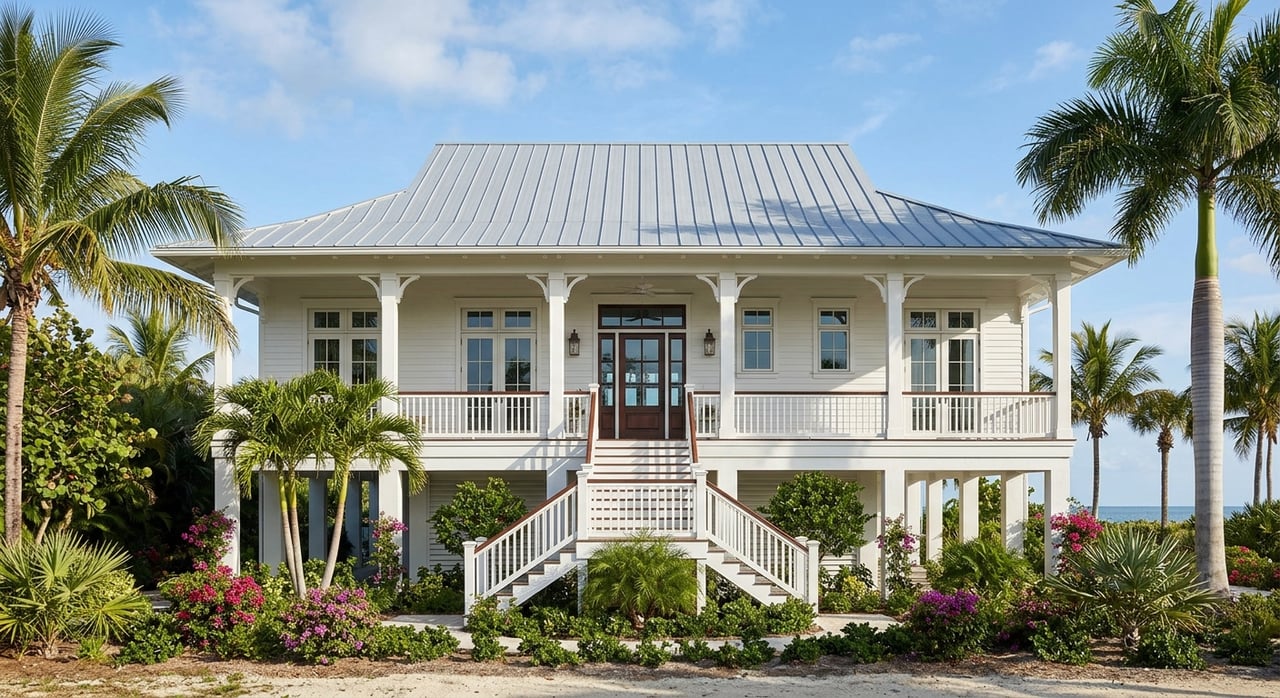
Upper Sugarloaf Key Outdoor Activities for Lower Keys Living
May 21, 2026
May 21, 2026
If you are dreaming about life near the water, outdoor access often matters just as much as the home itself. Around Upper Sugarloaf Key, that lifestyle is not just a postcard idea. It is part of everyday living, with paddling routes, biking trails, wildlife viewing, and easy day trips all close by. If you are exploring homes in this part of the Lower Keys, knowing what you can do nearby helps you picture how you will really live here. Let’s dive in.
Upper Sugarloaf Key offers a quieter Lower Keys setting with strong access to nature-based recreation. It sits within the broader National Key Deer Refuge landscape, an area the U.S. Fish and Wildlife Service describes as roughly 9,200 acres of pine rockland, hardwood hammock, freshwater wetland, salt marsh, and mangrove habitat.
That setting gives you more than scenic views. It creates a day-to-day connection to the natural side of the Keys, with space for walking, biking, paddling, and wildlife watching. For many buyers, especially second-home and relocation clients, that balance of privacy, beauty, and recreation is a big part of the appeal.
One of the most distinctive parts of the Lower Keys is the wildlife. The National Key Deer Refuge supports more than 20 endangered and threatened plant and animal species, according to the U.S. Fish and Wildlife Service.
The area is especially known for the Key deer, which occur nowhere else in the world. The service notes that about 75% of the population lives on Big Pine and No Name Keys, and drivers are asked to use extra caution in deer country from Big Pine and No Name west to Lower Sugarloaf Key.
If you enjoy peaceful outdoor routines, the best viewing times are typically early morning and sunset. Refuge lands are open from 30 minutes before sunrise to 30 minutes after sunset, which makes those cooler parts of the day ideal for a walk, a bike ride, or simply taking in the landscape.
For a close-to-home outdoor option, the Upper Sugarloaf Key Trail is one of the most useful local features to know. This paved trail runs about 1.5 miles one way, or 3 miles round trip, from Crane Boulevard to the refuge gate.
The trail is open to walkers, hikers, and bicyclists, and no motorized vehicles are allowed. That makes it a practical option for a morning ride, an evening walk, or a simple way to enjoy the open scenery without needing to drive elsewhere first.
Because the route is exposed to full sun, planning matters. The refuge recommends carrying water, wearing sun protection, and using sturdy shoes since local trails can be rough or seasonally wet.
If you like to explore farther, the Florida Keys Overseas Heritage Trail is the backbone of the local bike network. Florida State Parks describes it as more than 90 linear miles of paved trail in segments along a planned 106-mile corridor from Key Largo to Key West.
The trail parallels U.S. 1 and supports biking, hiking, running, sightseeing, birding, fishing, paddling, and wildlife viewing. For homeowners in Upper Sugarloaf, that means you are well placed for both casual outings and longer scenic rides through the Keys.
Another nearby option is the Lower Sugarloaf/Saddlebunch Key End of the Road Trail. This rustic route follows the old State Road 4A alignment and stretches about 3.5 miles one way for hikers and bicyclists.
Big Pine Key adds a few easy day-trip choices if you want a change of pace. Blue Hole is one of the best-known public stops, with a short shaded paved trail leading to an observation platform.
The National Key Deer Refuge Nature Center is also a helpful place to start if you want current information on wildlife and trail conditions. For short walks, the Watson and Mannillo trails offer a 2/3-mile loop and an 800-foot out-and-back route, respectively.
These nearby stops can be especially appealing if you want low-key outdoor time without committing to a full-day adventure. Keep in mind that bikes are not allowed at Blue Hole or on the nature trails.
For many buyers in the Lower Keys, water access is the lifestyle feature. Public waters around the area support non-motorized boating, fishing, and snorkeling or diving, and kayaks and canoes are explicitly allowed in refuge waters.
The Florida Keys Overseas Heritage Trail also lists canoe and kayak launch access, boat ramps, and paddling among its amenities and experiences. That makes the corridor part of the broader recreation picture for anyone who wants to get on the water regularly.
One of the clearest nearby public launch options is Bahia Honda State Park on Big Pine Key. The park lists a canoe and kayak launch, and visitors can launch from the ocean-side Loggerhead parking lot or the Gulf-side boat ramp.
If paddling is part of how you imagine spending weekends, Upper Sugarloaf puts you within reach of several public options while keeping the calmer, residential feel many buyers want.
Beyond paddling, the surrounding waters open the door to broader boat-based recreation. Key West National Wildlife Refuge has no land access, but its waters are open 24 hours a day, 365 days a year for boating-based recreation.
That refuge is used for wildlife viewing, photography, snorkeling, and diving, making it a strong fit for quieter outings centered on the water. Visitors with boats can use public and private ramps throughout the Lower Florida Keys.
For buyers comparing island communities, this kind of access matters. It means your home base can feel tucked away while still connecting you to some of the most memorable on-the-water experiences in the region.
Bahia Honda State Park is one of the easiest nearby choices for a beach-and-paddle outing. It is open daily from 8 a.m. until sundown and combines beach access with kayaking and canoeing opportunities.
That makes it a convenient day trip if you want a mix of shoreline time and active recreation. For homeowners and second-home buyers alike, having an established public park nearby can add variety to your weekends without requiring much planning.
Another option is Fort Zachary Taylor Historic State Park in Key West. The park offers beach access, swimming, snorkeling, paddling, fishing, and a canoe or kayak launch.
Outdoor living in the Lower Keys is beautiful, but it helps to prepare for the conditions. The refuge notes that some trails may be inundated during the rainy season, and mosquitoes can be a nuisance at times.
Sun exposure is another important factor, especially on paved and open routes like the Upper Sugarloaf Key Trail. Bringing water, sun protection, and sturdy shoes can make a big difference in comfort.
A simple checklist can help:
When you buy a home in Upper Sugarloaf Key, you are not just choosing square footage or waterfront features. You are also choosing how close you want to be to bike rides, paddle launches, wildlife habitat, and relaxed day trips across the Lower Keys.
For many people, especially second-home buyers and those relocating for a lifestyle change, that is a major part of the decision. Outdoor access can shape your daily rhythm, from sunrise walks to weekend paddles and spontaneous beach afternoons.
It also helps define the character of the area. Upper Sugarloaf offers a more natural, less hurried feel, while still keeping you connected to public recreation throughout the Lower Keys and Key West.
If you want help finding a home that fits the way you actually want to live outdoors, Sherri Blasingame offers concierge-level guidance with local Lower Keys insight.
Stay up to date on the latest real estate trends.


I am committed to guiding you every step of the way—whether you're buying a home, selling a property, or securing a mortgage. Whatever your needs, I've got you covered.
Sherri Blasingame
336 Duval St Key West, Florida 33040