Old Town vs New Town Key West: Find Your Best Fit
May 28, 2026
May 28, 2026
If you are choosing between Old Town and New Town in Key West, you are not just picking a home. You are choosing how you want daily life to feel on an island that is only about 3.5 miles long and 1 mile wide. For many buyers, that decision comes down to character, convenience, budget, and how much flexibility you want after closing. Let’s dive in.
In Key West, the difference between Old Town and New Town is less about distance and more about layout, housing style, and day-to-day experience. Old Town is generally on the western side of the island, west of 1st Street, while New Town is east of 1st Street.
Old Town developed on higher ground and sits within the city’s historic preservation framework. New Town is described by the City as relatively flat and tends to feel more practical in its street pattern and housing mix. That means your decision is often about lifestyle fit, not just map location.
Old Town is the side of Key West that many buyers picture first. It is known for small lanes, slow-traffic streets, and smaller-scale homes shaped by historic design standards. If you want architectural character and a setting that feels distinctly Key West, Old Town often stands out.
It also places you close to some of the island’s best-known activity centers. The City notes that Key West Bight Marina is a short walk from Duval Street, Mallory Square, Sloppy Joe’s, and other Old Town destinations. For buyers who want to be near dining, nightlife, waterfront activity, and marina access, that proximity can be a major draw.
One of the biggest things to understand about Old Town is that many properties fall within the historic district. In those areas, exterior changes, new construction, and demolition are reviewed through HARC, the city’s historic review process.
That does not mean buying in Old Town is difficult. It does mean you should expect more oversight if you plan to make exterior updates. The city also notes that many buildings in the historic district are historic or historically contributing, and defines historic buildings as 50 years or older.
Old Town’s charm often comes with tighter parking. The city’s parking guidance says the most appropriate locations for parking in the Old Town Historic District are rear and side yards or the street, and the city has also made resident access to parking in Old Town residential areas a planning priority.
The Park N Ride Old Town Parking Garage at 301 Grinnell Street has 300 spaces, which helps support the area. Still, if easy off-street parking is high on your wish list, Old Town may require more compromise than New Town.
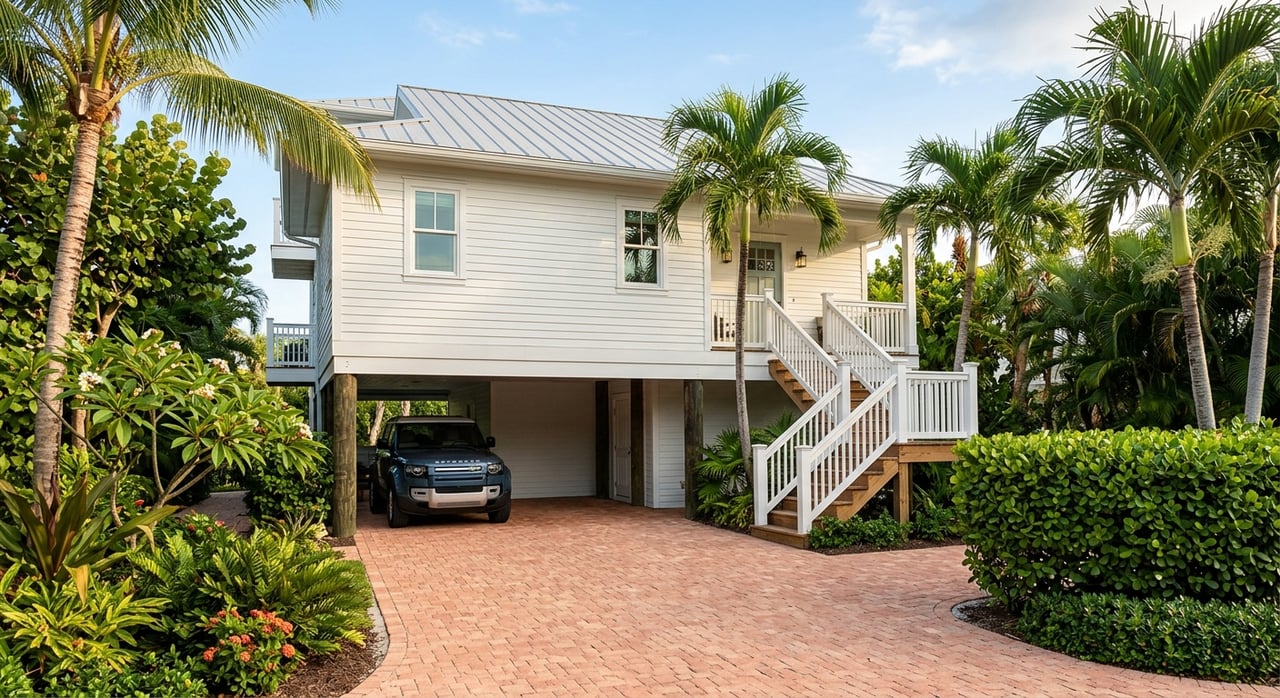
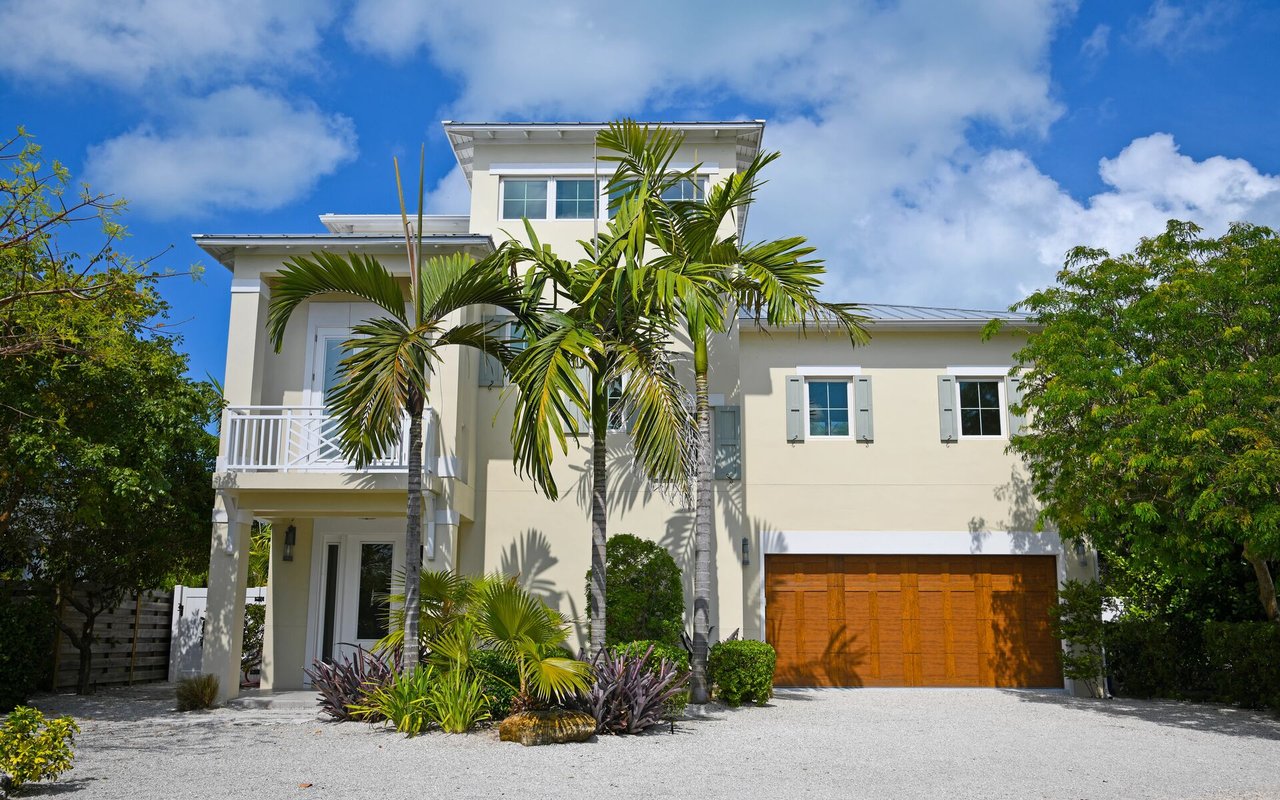
New Town tends to offer a more conventional residential feel. Housing is more suburban in character, with a mix of single-family homes and small-to-medium apartment or condo-style properties. Many homes were built between 1940 and 1969, with another large group built between 1970 and 1999.
For many buyers, New Town feels more straightforward. You may find a less preservation-driven environment, more familiar housing forms, and a layout that supports everyday errands and island routines with less friction.
Price is one of the clearest differences between the two areas. Zillow’s current neighborhood values place Old Town’s Home Values Index at $1,269,978 and New Town at $815,044.
That is a gap of about $454,934, with Old Town roughly 56% higher on that index. These figures are best used as directional market signals, not as a substitute for a property-specific market analysis, but they do show why many buyers start in New Town when balancing budget and location.
New Town is generally the more car-friendly option by inference from the city’s historic district rules and the area’s suburban character. It does not carry the same district-wide historic parking guidance as Old Town, and its overall layout tends to support easier day-to-day driving and biking.
That can matter if you are relocating, juggling work schedules, or simply want a home base that feels more practical than destination-driven. In a market like Key West, convenience can be a real quality-of-life feature.
Because Key West is compact, both Old Town and New Town keep you close to the water, services, and island attractions. Even so, the feel of daily life can be very different.
Old Town is likely to feel more animated and walkable because of its small lanes, slow-traffic streets, mixed-use historic corridors, and proximity to major dining and waterfront districts. New Town is likely to feel more residential and errands-oriented, with an everyday rhythm that suits buyers who want function first.
If you imagine stepping out your door and moving through a more historic, active streetscape, Old Town may align with that vision. Its pattern of compact streets and mixed-use areas supports a lifestyle where dining, marina access, and evening outings are part of your weekly routine.
For second-home buyers, that can be especially appealing. You may be paying more for location and character, but you are also buying into a very specific island experience.
New Town often works well for buyers who want Key West access without the same level of parking pressure or historic-review considerations. A city redevelopment plan identifies retail centers such as Searstown Shopping Center and Overseas Market off North Roosevelt Boulevard, which points to a stronger everyday-services orientation.
That does not make New Town less desirable. It simply makes it different. For many full-time residents, relocating professionals, and budget-conscious buyers, that practical rhythm is exactly the point.
Transit and mobility are worth considering no matter which side of the island you choose. The city says Key West Rides On-Demand now replaces the old North and South Lines for city routes, and city transit service runs as early as 5:40 AM until 10:00 PM. The Duval Loop was also suspended effective January 1, 2026.
New Town’s commute data gives useful insight into island life. NeighborhoodScout reports that 52.9% of New Town commuters get to work in under 15 minutes, 62.9% drive alone, and 11.0% bike to work. That bike share is notably high by national standards and shows how compact Key West living can be, even in the more car-oriented part of town.
Old Town does not have the same neighborhood-specific commute table in the sources here, but its small lanes and denser mixed-use layout support a reasonable walk-first inference. If your goal is to drive less and experience more on foot, Old Town may have the edge.
For many buyers, especially second-home buyers and investors, the question is not just what the home looks like today. It is also what you can do with it later.
In Old Town, historic district rules can shape your renovation path. The city’s architectural guidelines note that highly visible new garages or carports are not appropriate in the historic district, which is one example of how design review can affect future plans.
New Town generally offers a less regulated renovation path by inference from the city’s preservation rules and the area’s more conventional housing profile. If you want more flexibility for updates, parking solutions, or layout changes, New Town may deserve a closer look.
There is no universal winner between Old Town and New Town. The right choice depends on what you value most in your home, your budget, and how you want to live once you are here.
Here is a simple way to think about it:
If you are still weighing both areas, the best next step is to compare them through your own priorities. A beautiful historic home in Old Town may be perfect if you plan to spend weekends walking to dinner and the marina. A well-located New Town property may be the smarter fit if you want easier logistics, a lower entry point, or a more flexible long-term plan.
This is where local guidance matters. In Key West, two homes at similar price points can offer very different ownership experiences depending on parking, historic review, housing type, and lifestyle fit.
If you want a clear, concierge-level view of which side of Key West matches your goals, Sherri Blasingame can help you compare options with local insight, responsive guidance, and a tailored strategy for your move.
Stay up to date on the latest real estate trends.

I am committed to guiding you every step of the way—whether you're buying a home, selling a property, or securing a mortgage. Whatever your needs, I've got you covered.
Sherri Blasingame
336 Duval St Key West, Florida 33040