Conch Style Design Ideas for Sunset Key Cottages
October 16, 2025
October 16, 2025
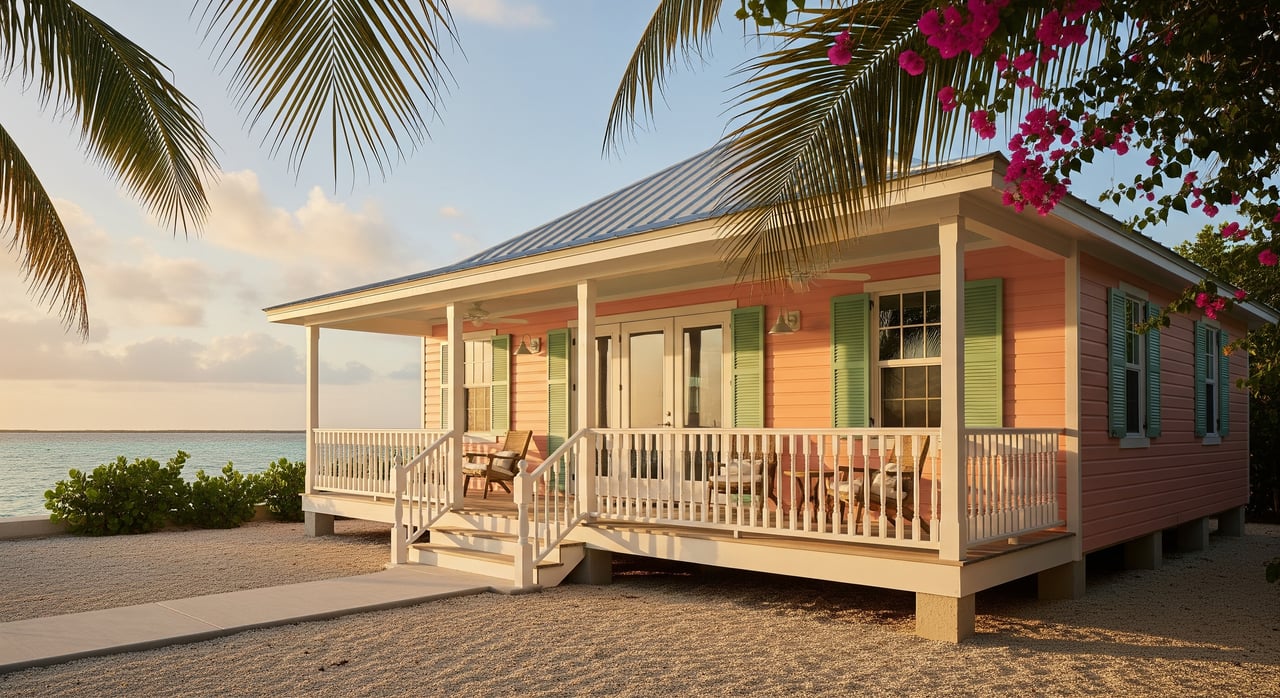
The moment you picture a pastel cottage with a breezy porch and a metal roof catching the last light, you are already on Sunset Key. You want that classic Key West look, but you also need materials and details that stand up to salt, sun, and storms. In this guide, you’ll learn how to bring Conch style to life with smart choices that photograph beautifully, live comfortably, and satisfy HOA and code requirements. Let’s dive in.
Conch architecture grew from Bahamian carpentry traditions and was built for island life: shaded porches, tall windows, and simple, elegant proportions. Hallmarks include elevated wood structures, horizontal clapboard siding, high ceilings, and airy verandas that catch the breeze. You can use these cues today without going full historic replica. Focus on form, porch depth, and window rhythm for an authentic feel. Learn the classic features of the Conch house.
Historically, many homes used wood clapboard and metal roofs because they shed rain and reflect heat. That profile still works well in the Keys when detailed for modern wind and salt exposure. For inspiration on colors, think light pastels with crisp white trim that handle bright coastal sun gracefully. See examples of the Key West pastel palette.
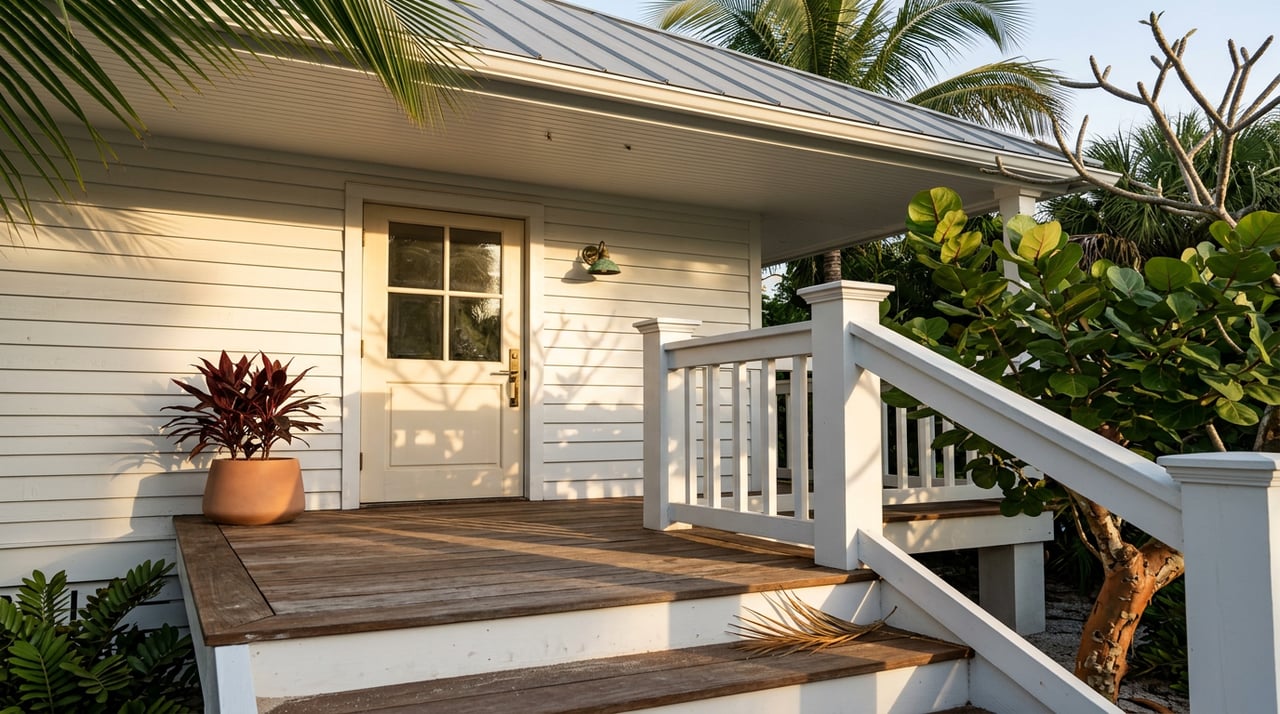
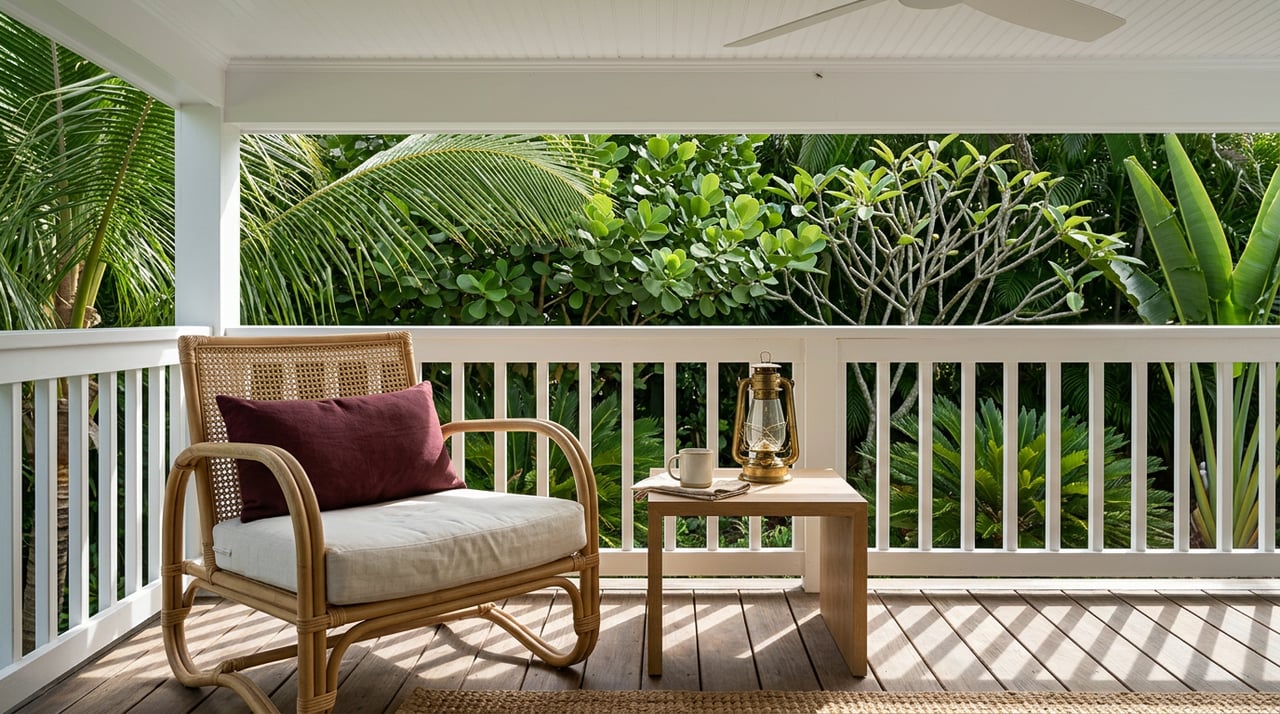
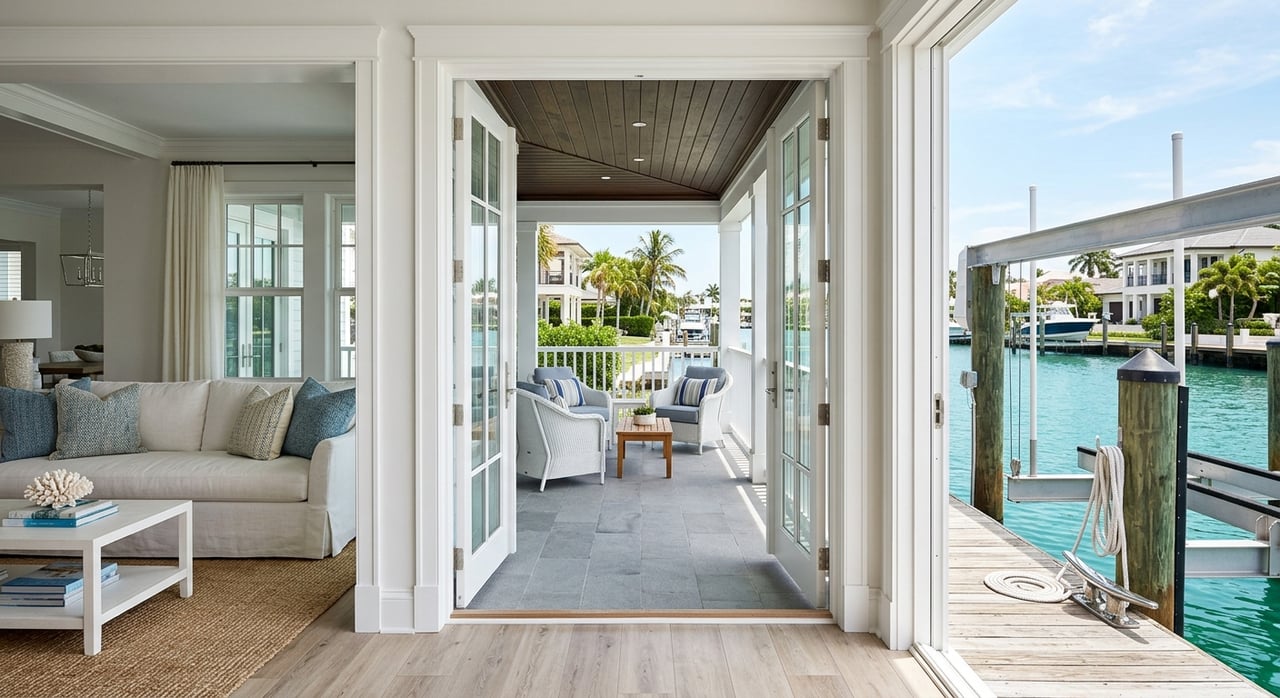
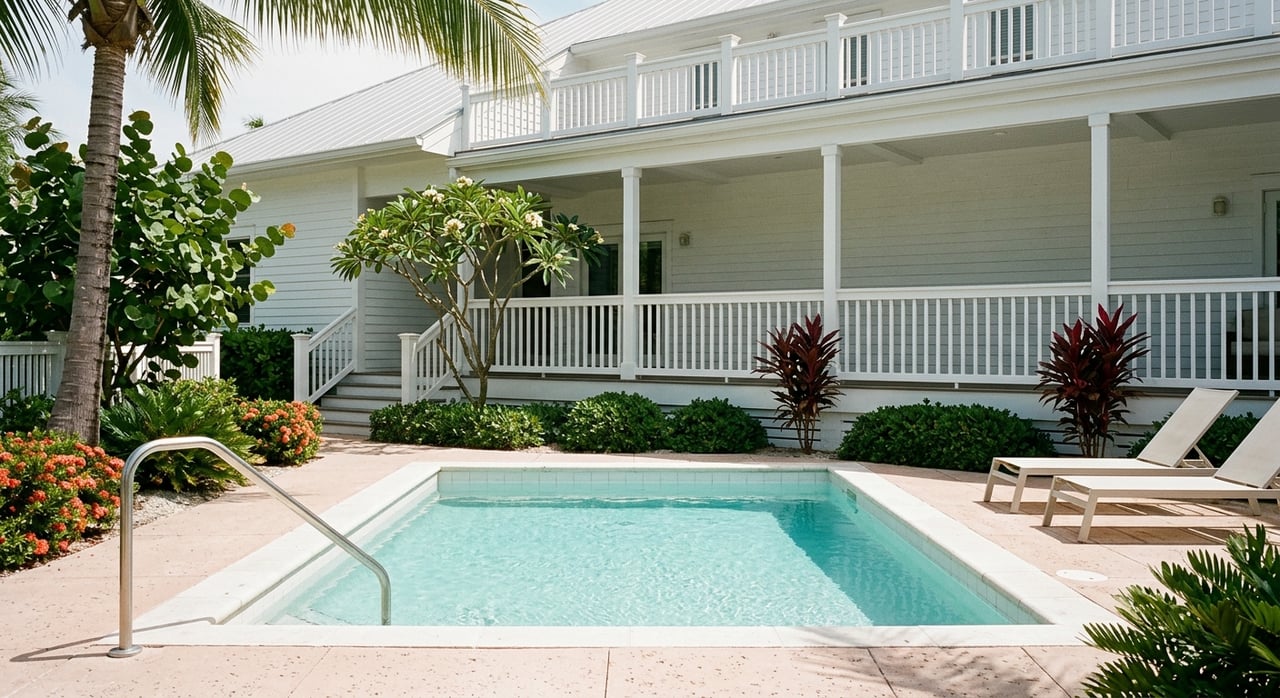
Go for a full-width or wraparound porch with enough depth for everyday shade and easy furniture placement. Keep building forms simple and balanced so the porch, railings, and shutters become the star. High ceilings and tall doors boost airflow and give rooms that airy cottage feel.
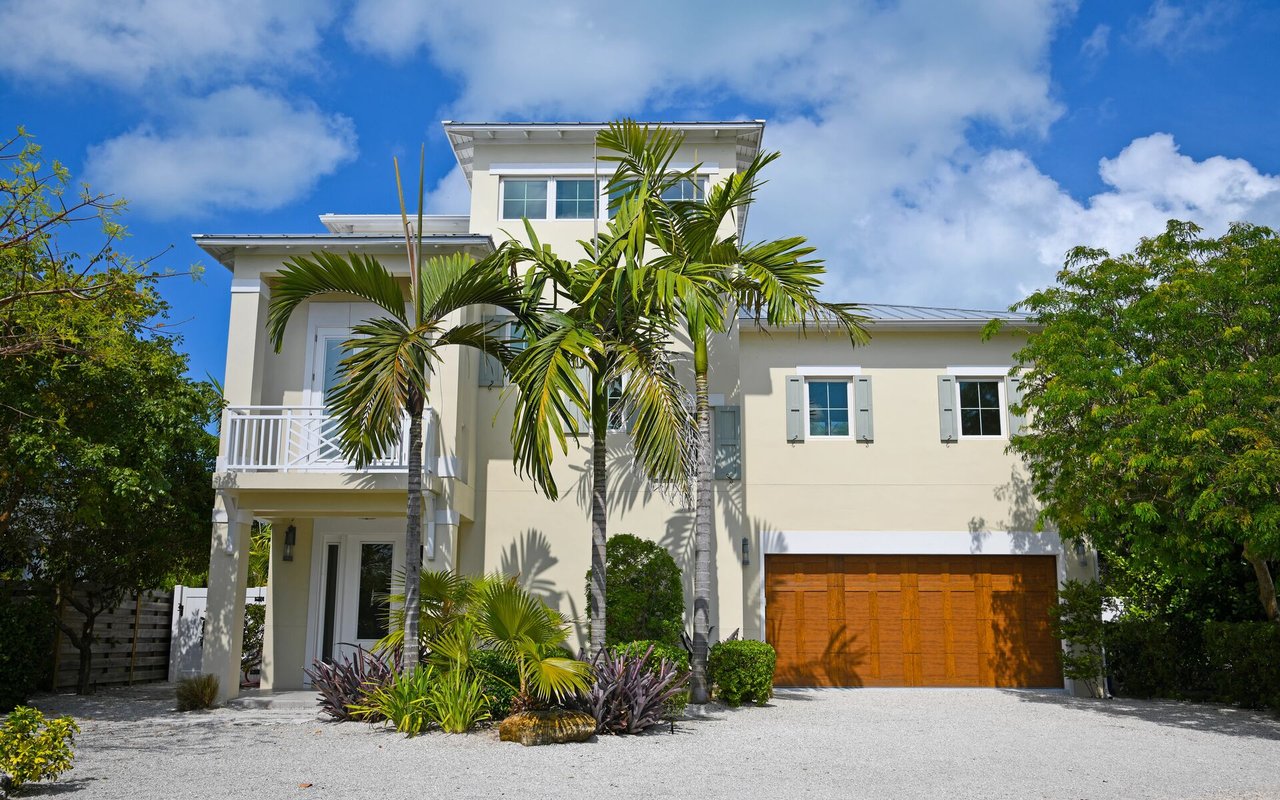
A light-colored standing seam or stamped metal roof fits the Key West look and performs in coastal weather. Proper strapping, clips, and flashing are essential for wind uplift resistance under Florida code. For context on the material’s long Key West history and benefits, see this historic marker note on metal roofs.
Bahama shutters deliver the tropical look while shading interiors. Specify impact-rated versions or pair them with impact windows to meet local wind provisions and potentially earn insurance credits. Here’s how Bahama hurricane shutters work.
Traditional painted wood clapboard is authentic, but near salt air it needs frequent upkeep. Fiber-cement lap siding offers the same profile with less rot and fewer repaint cycles when installed for coastal conditions. Compare tradeoffs in this overview of fiber-cement siding performance.
Salt air is tough on metals. Use marine-grade 316 stainless for exterior fasteners, railings, door hardware, and outdoor kitchens to reduce corrosion and staining. Get the basics on 316 stainless in coastal construction.
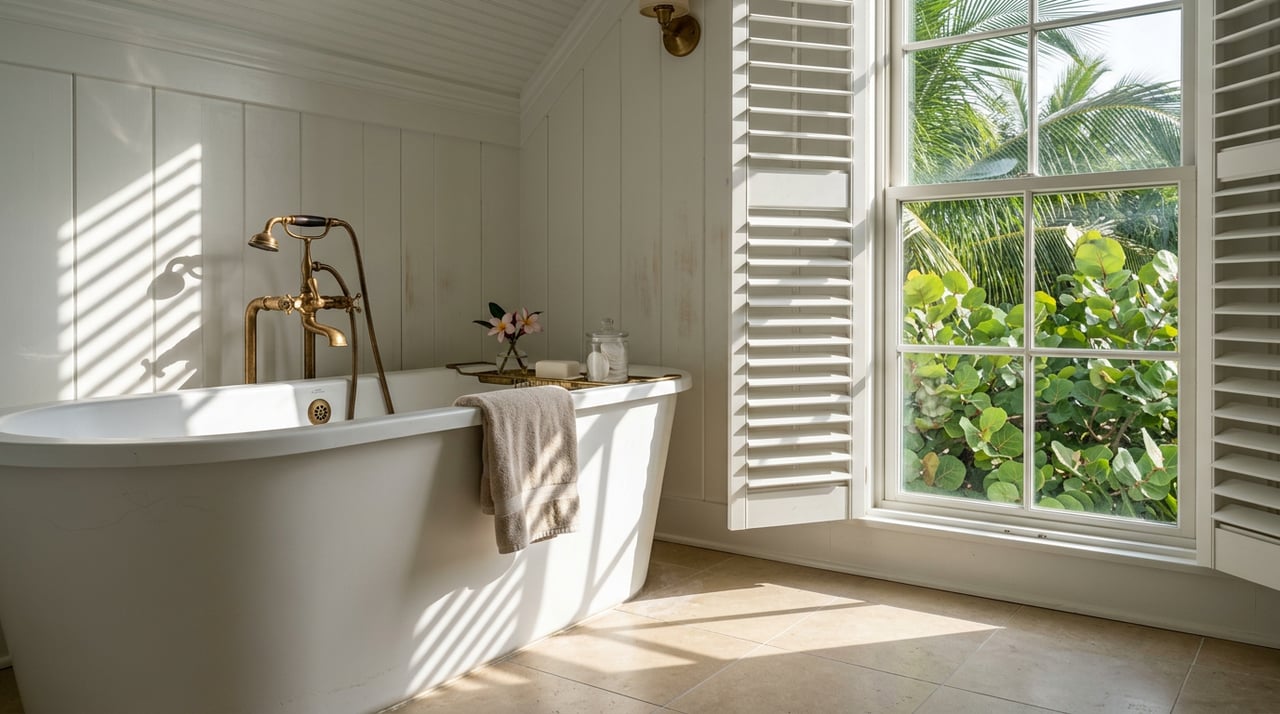
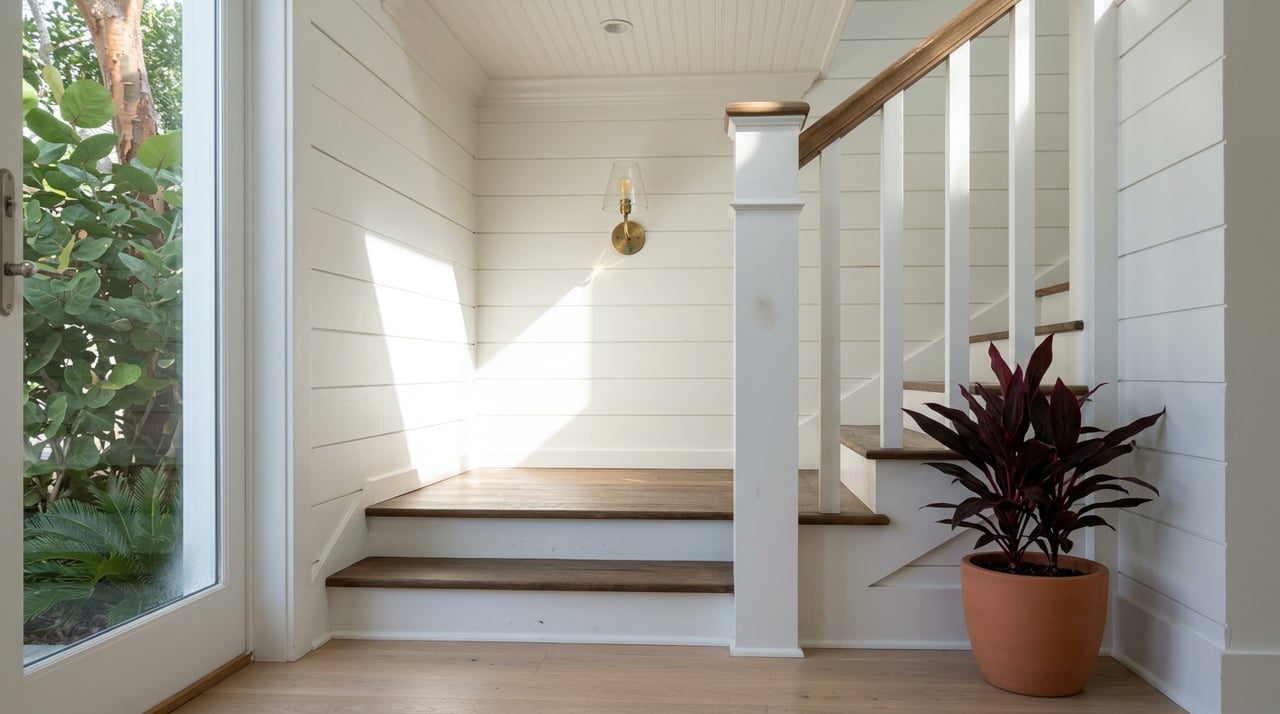
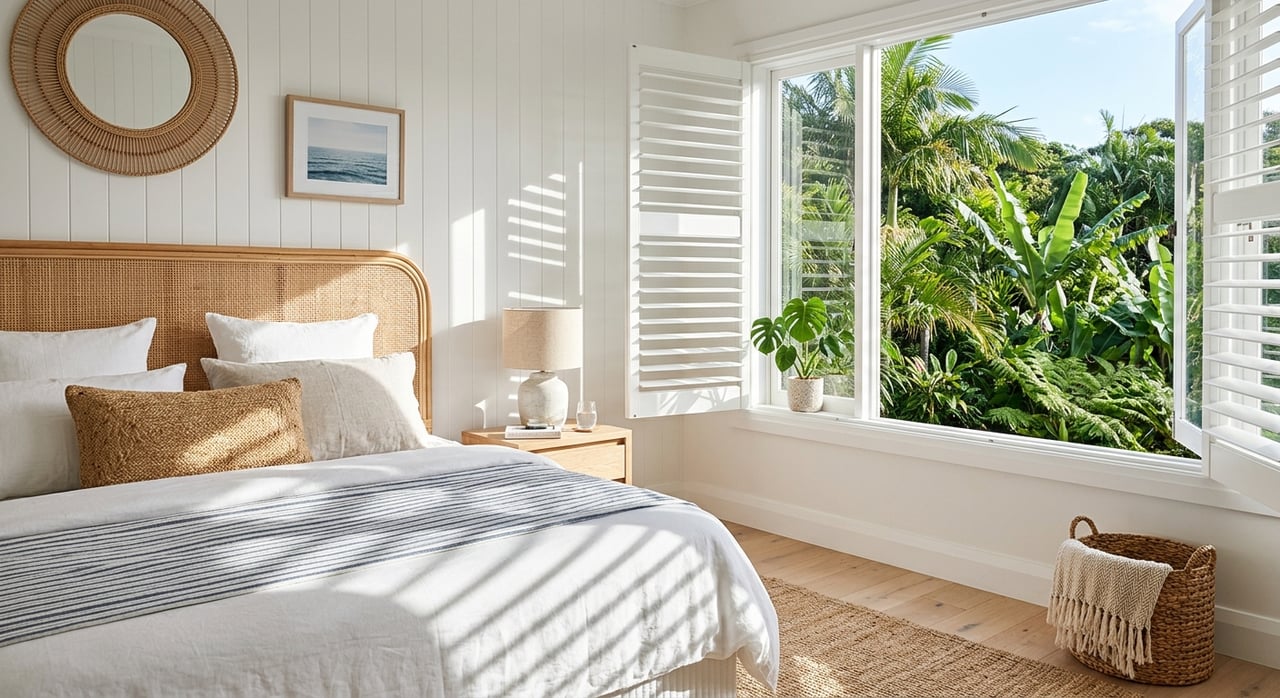
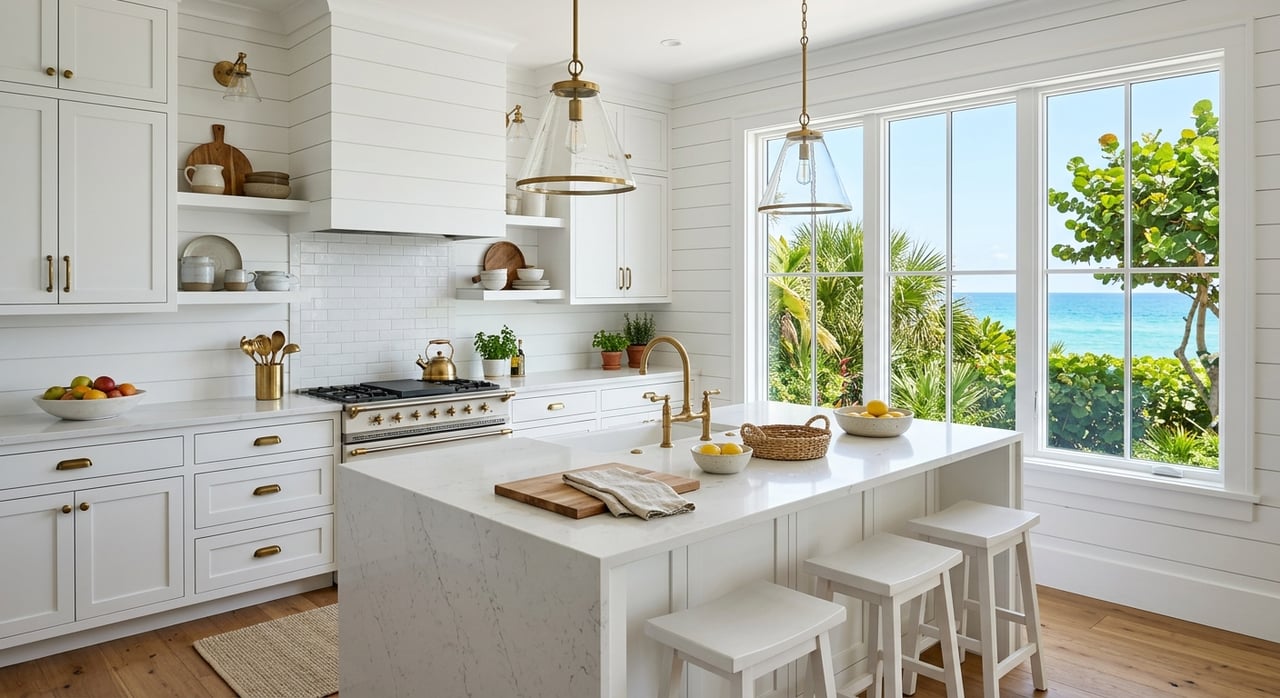
Keep interiors bright and tactile: tongue-and-groove or beadboard details, painted wood ceilings, and durable wide-plank flooring. Layer in natural fibers like rattan, wicker, linen, and cotton. For a style primer rooted in coastal living, explore these coastal interior design fundamentals.
Stick with off-whites and soft neutrals on walls, then add ocean-inspired accents in sea glass, coral, or deep blue. This keeps rooms cool, light, and camera-ready while tying the interior to the island’s pastel exterior.
Set a welcoming porch scene with rattan club chairs, striped cushions, and soft lighting. Inside, style built-ins with shells and books, then add breezy window treatments. A few well-placed palms and bougainvillea outside finish the lifestyle picture buyers expect.
Choose native, salt-tolerant plants that love the Keys climate and need less care. Think buttonwood, cocoplum, sea grape, firebush, and beach sunflower. For species lists and coastal planting tips, use the Monroe County native guide announced by the Chamber: Keys native plant landscaping resource.
Helpful practices:
Sunset Key sits in a low-lying coastal environment. Flood zones, Base Flood Elevation, and any local freeboard drive how high structures must sit and how they are built. Always confirm your parcel’s flood map and obtain an elevation certificate before planning structural changes. Start with the FEMA Flood Map Service Center and review local requirements for building in flood zones through Monroe County’s building guidance.
Sunset Key properties are association managed. Exterior color, roof profiles, shutters, and landscaping may require Architectural Review approval. Request current design guidelines early and build review timelines into your project plan.
Impact-rated windows, approved storm shutters, reinforced roof attachments, and properly anchored porches can reduce insurance risk. Ask your carrier how impact products and roof upgrades may qualify for wind mitigation credits.
Ready to refine your Sunset Key plan or weigh the cost-benefit of specific upgrades? Get concierge guidance rooted in local experience and design-forward marketing. Connect with Sherri Blasingame to align your cottage’s look, durability, and resale potential.
Stay up to date on the latest real estate trends.
I am committed to guiding you every step of the way—whether you're buying a home, selling a property, or securing a mortgage. Whatever your needs, I've got you covered.
Sherri Blasingame
336 Duval St Key West, Florida 33040